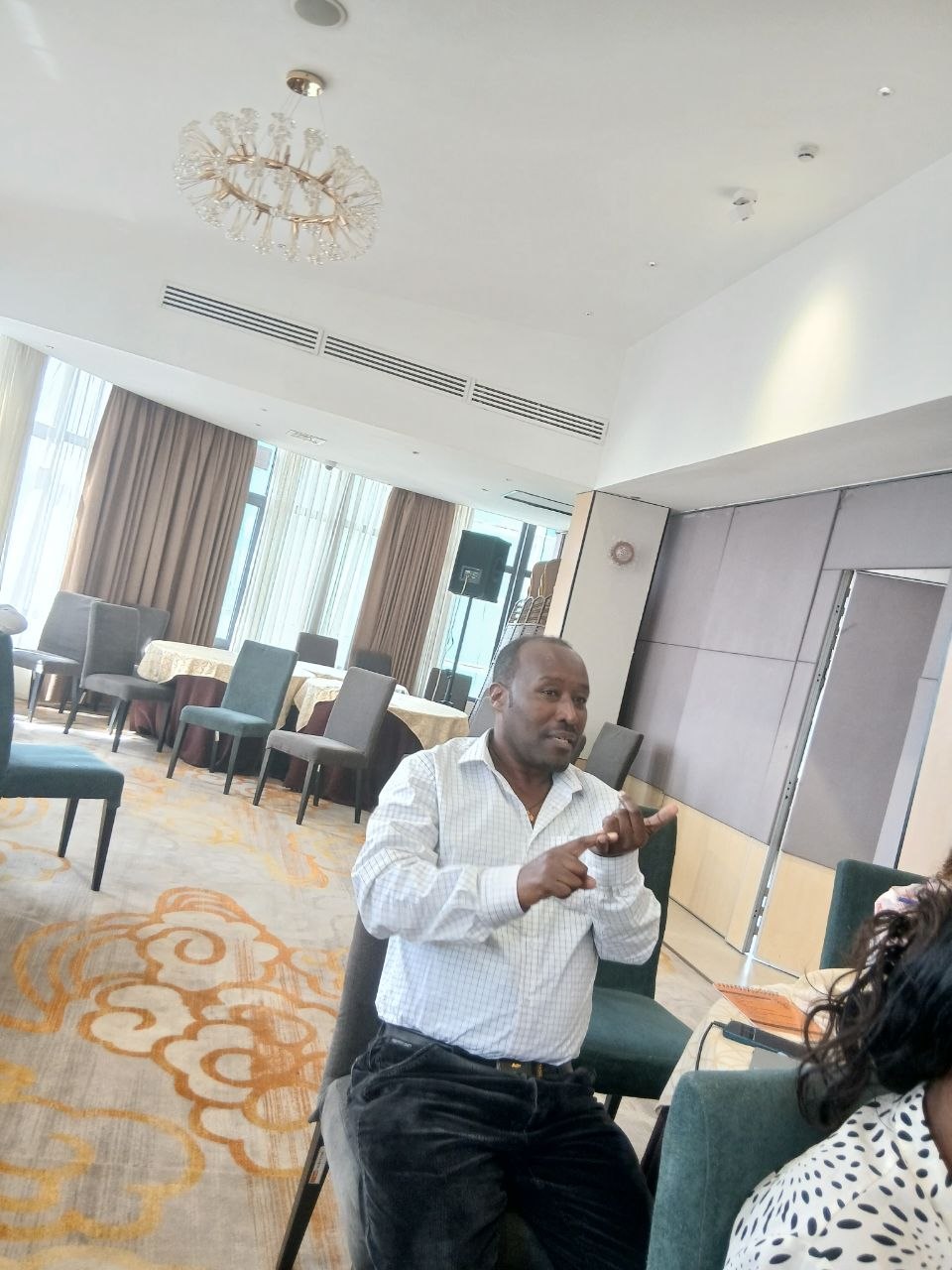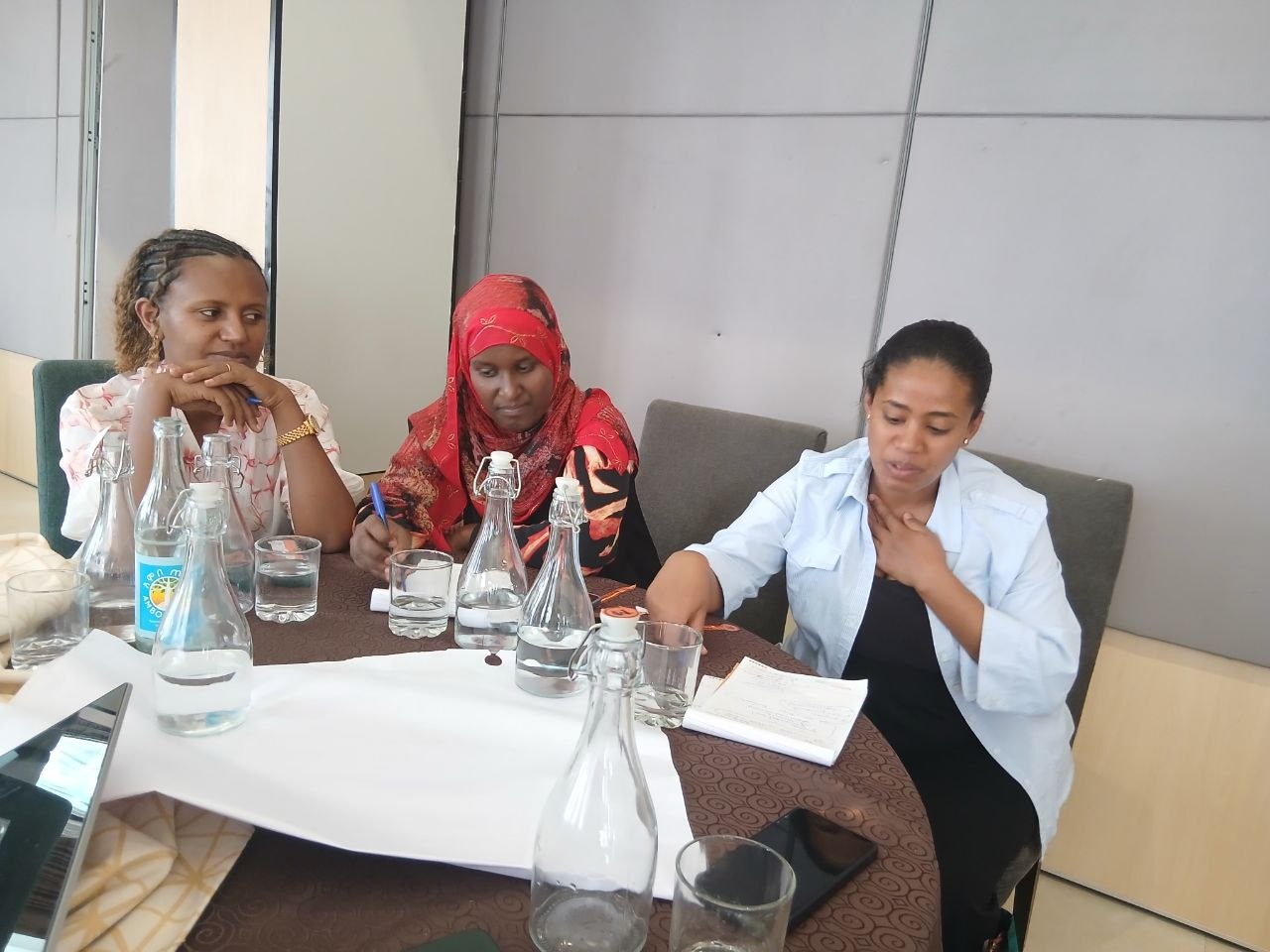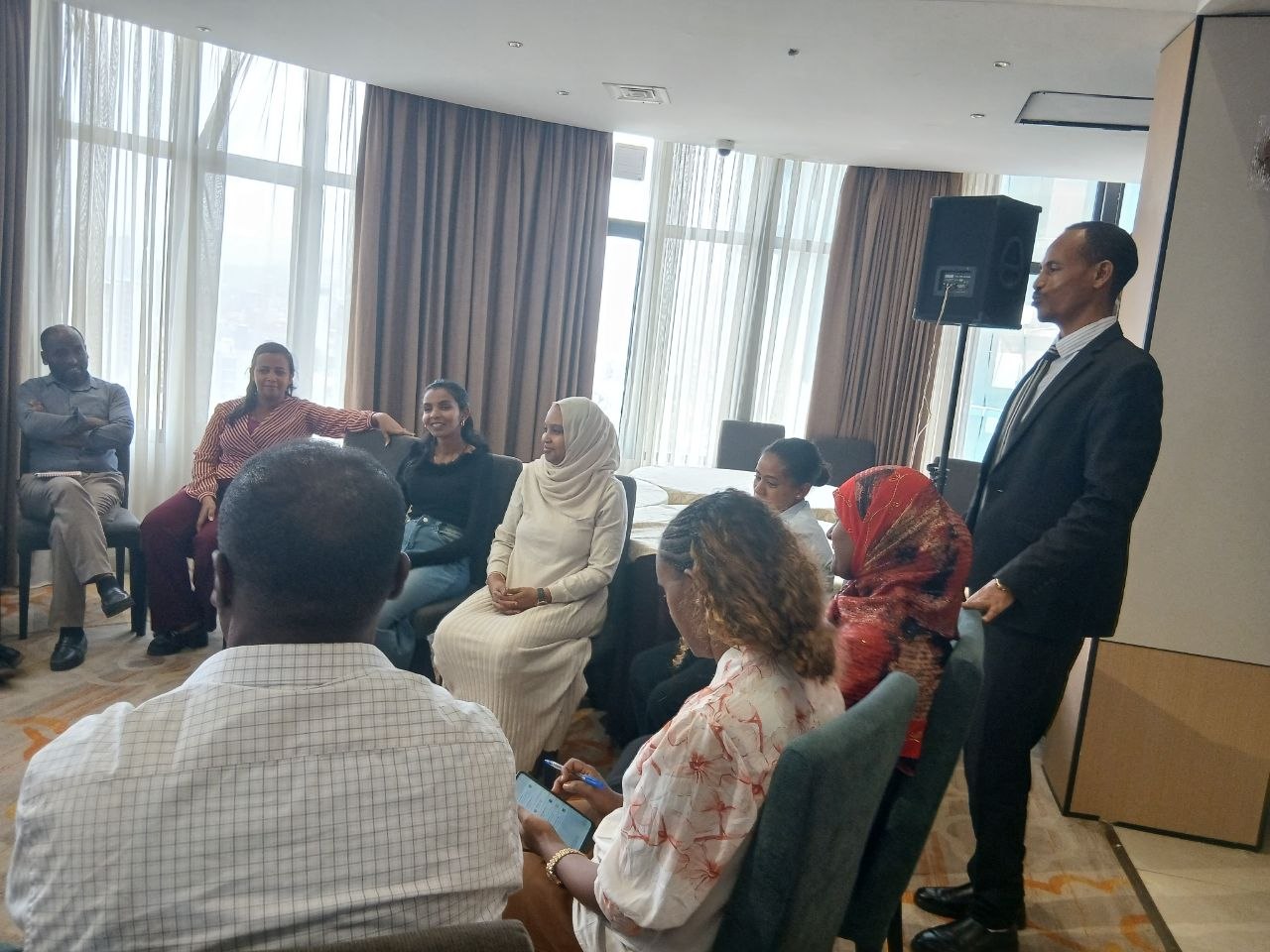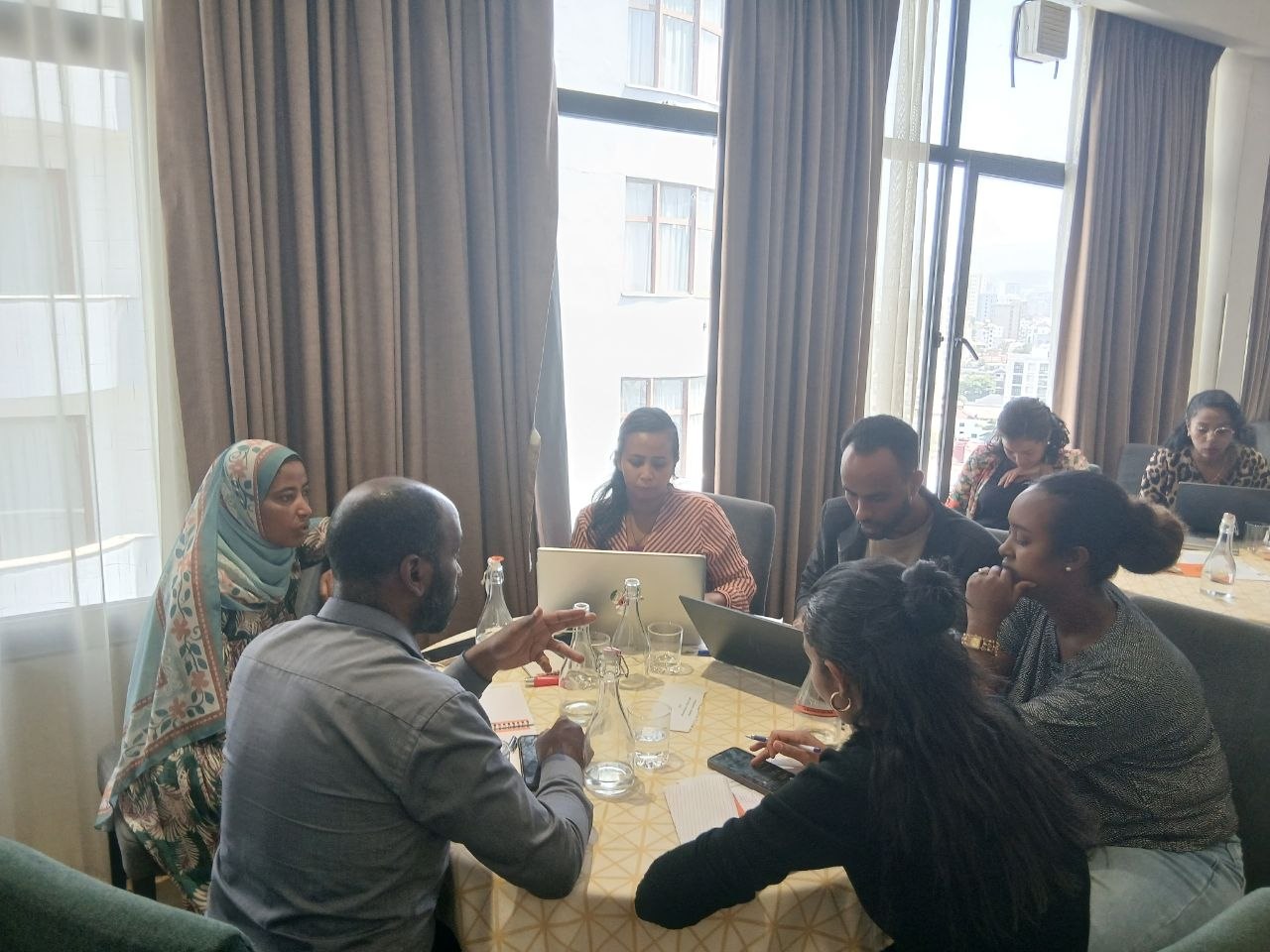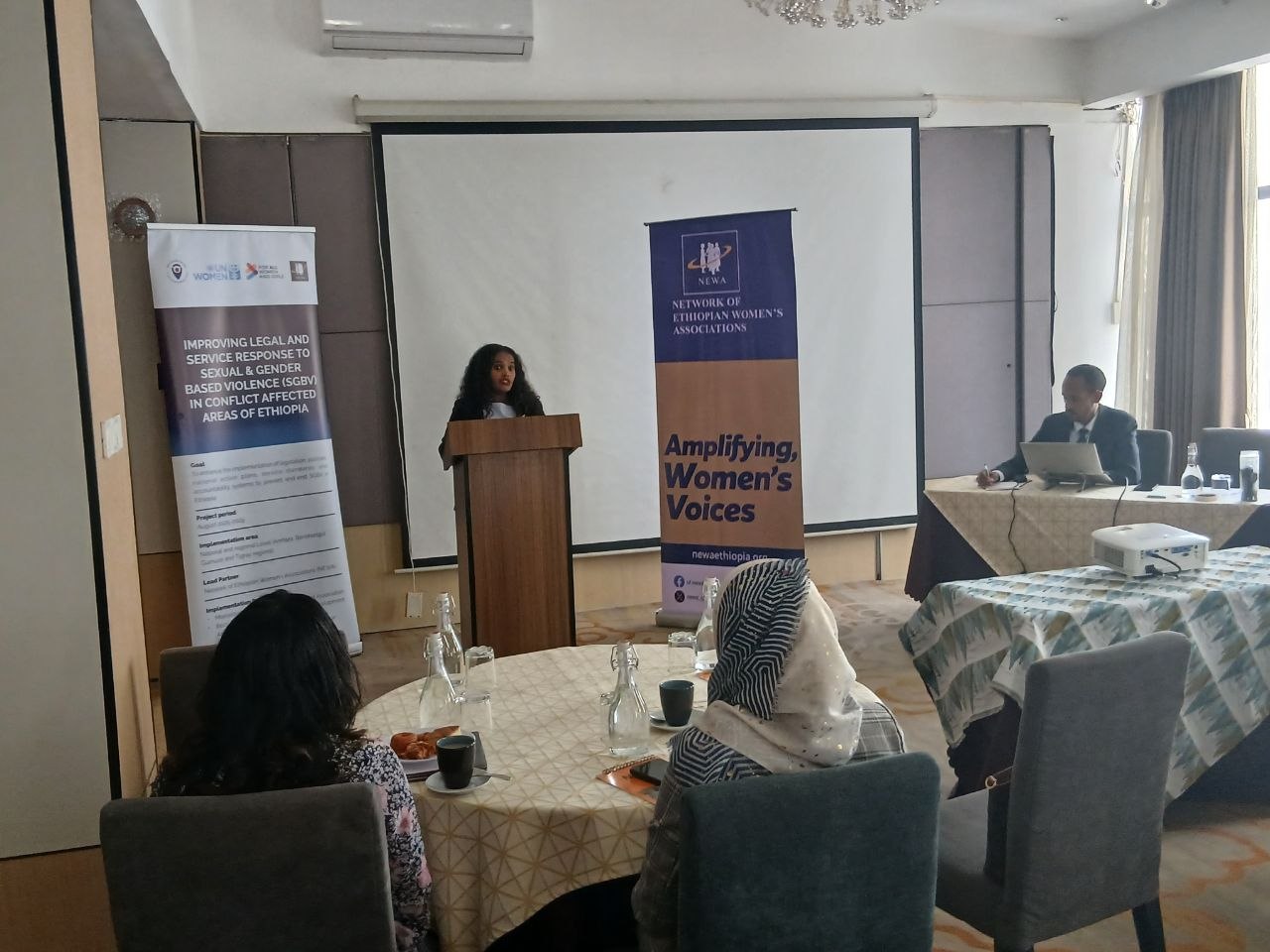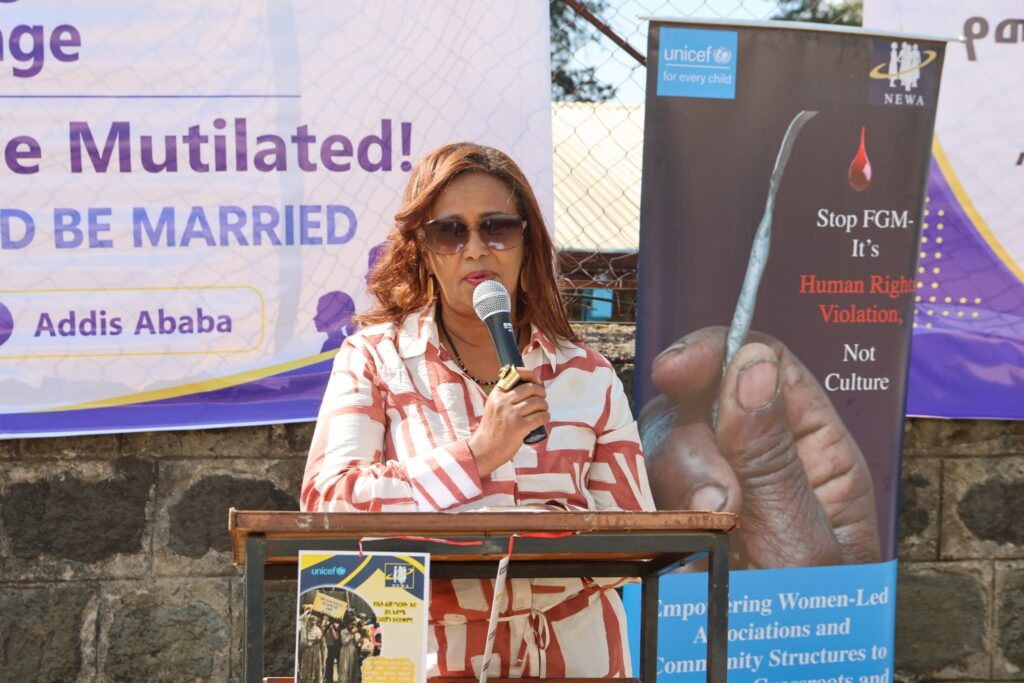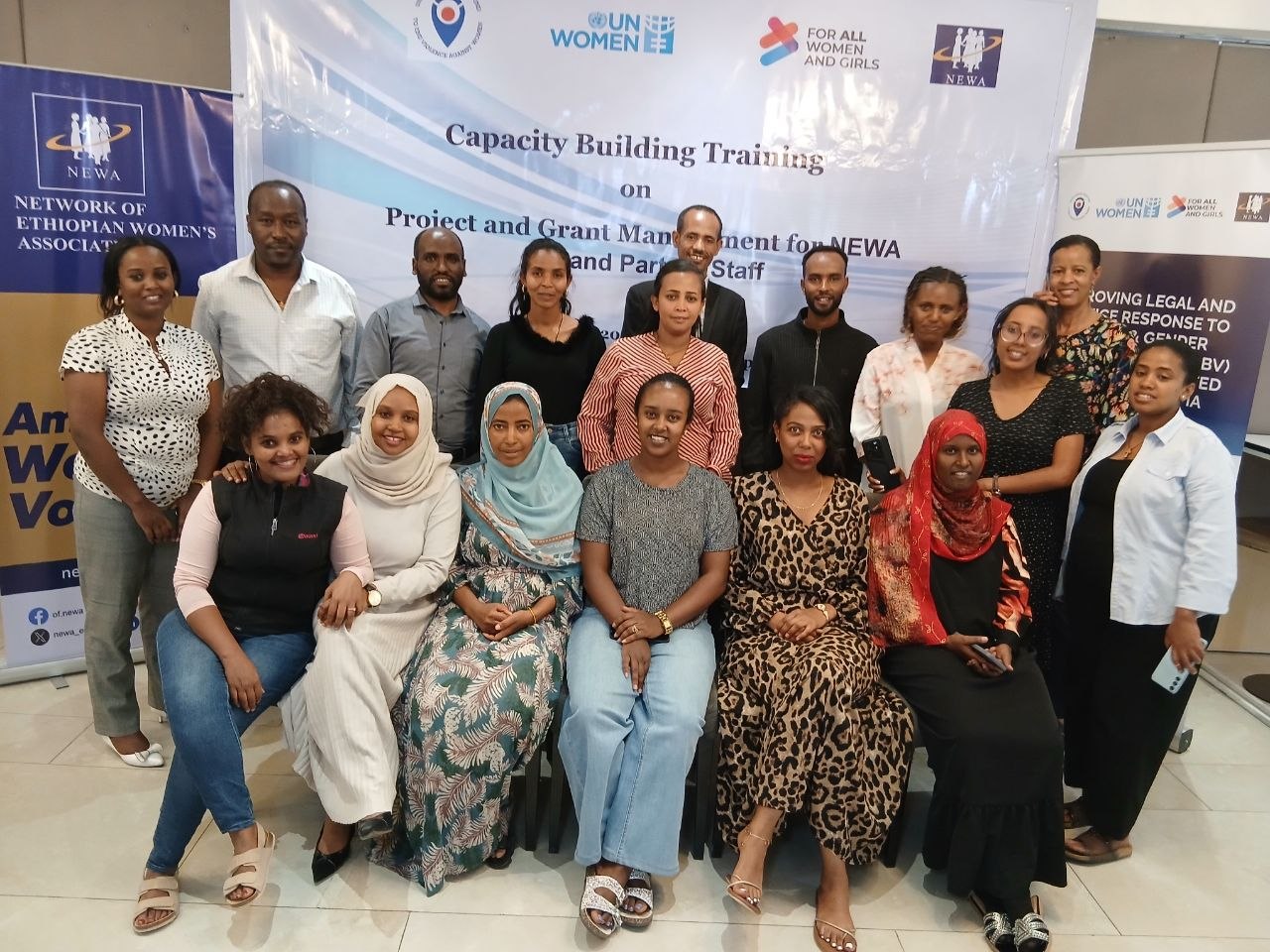
With the financial support of the United Nations Trust Fund to End Violence against Women, Network of Ethiopian Women’s Associations organized a three-day Capacity Building Training on Project and Grant Management for its staff and partner organizations from May 20–22, 2026, at Mado Hotel. The training aimed to strengthen the capacity of NEWA and partner organizations implementing projects related to strengthening the prevention, protection, and response mechanisms for Gender-Based Violence (GBV) and Conflict-Related Sexual Violence (CRSV) in conflict-affected areas. It also focused on enhancing participants’ knowledge and practical skills in project and grant management to ensure effective, accountable, and survivor-centered programming.
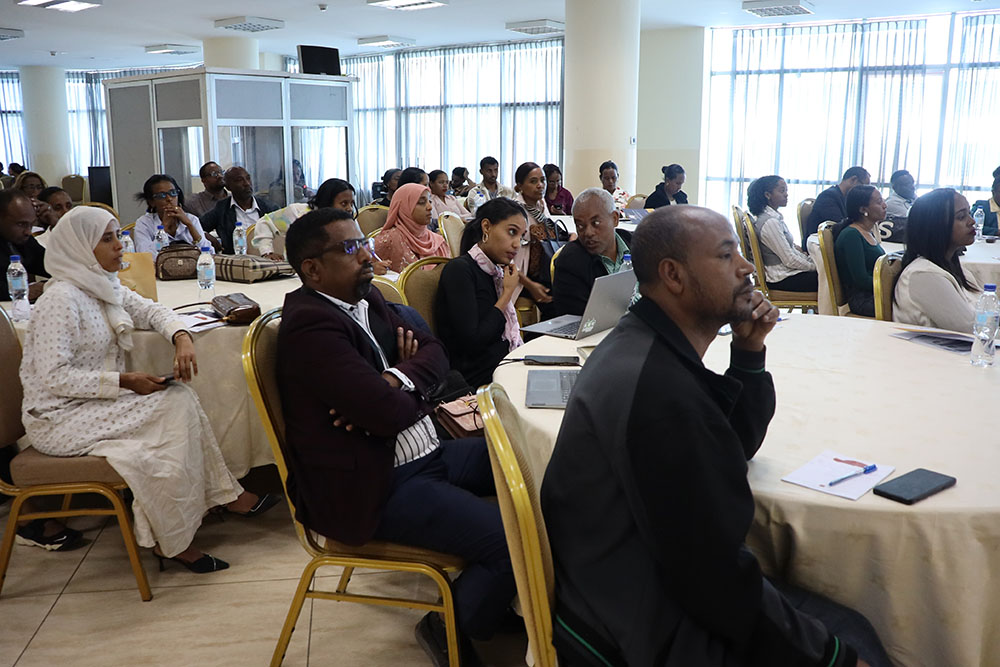
The training brought together NEWA head office and branch office program teams, finance staff, and partner organizations working on GBV and CRSV interventions in conflict-affected areas. A total of 19 participants (15 female and 4 male) attended the training, creating a highly engaging and participatory learning environment that encouraged collaboration, peer learning, and experience sharing among participants from different regions and organizations.
Key thematic areas covered during the training included project and grant cycle management, logical framework and theory of change development, proposal writing, budgeting and financial management, monitoring, evaluation, accountability and learning (MEAL), and donor compliance requirements. The sessions also incorporated discussions on strengthening coordinated GBV and CRSV response mechanisms, improving service delivery for survivors, and enhancing institutional accountability in humanitarian and conflict settings.
In addition to technical competencies, the training also focused on essential soft skills such as personal development, teamwork, communication, leadership, and problem-solving. Overall, the training was highly interactive and impactful, equipping participants with practical tools and broader professional insights to improve program quality, organizational effectiveness, and sustainable GBV and CRSV response interventions in conflict-affected communities.