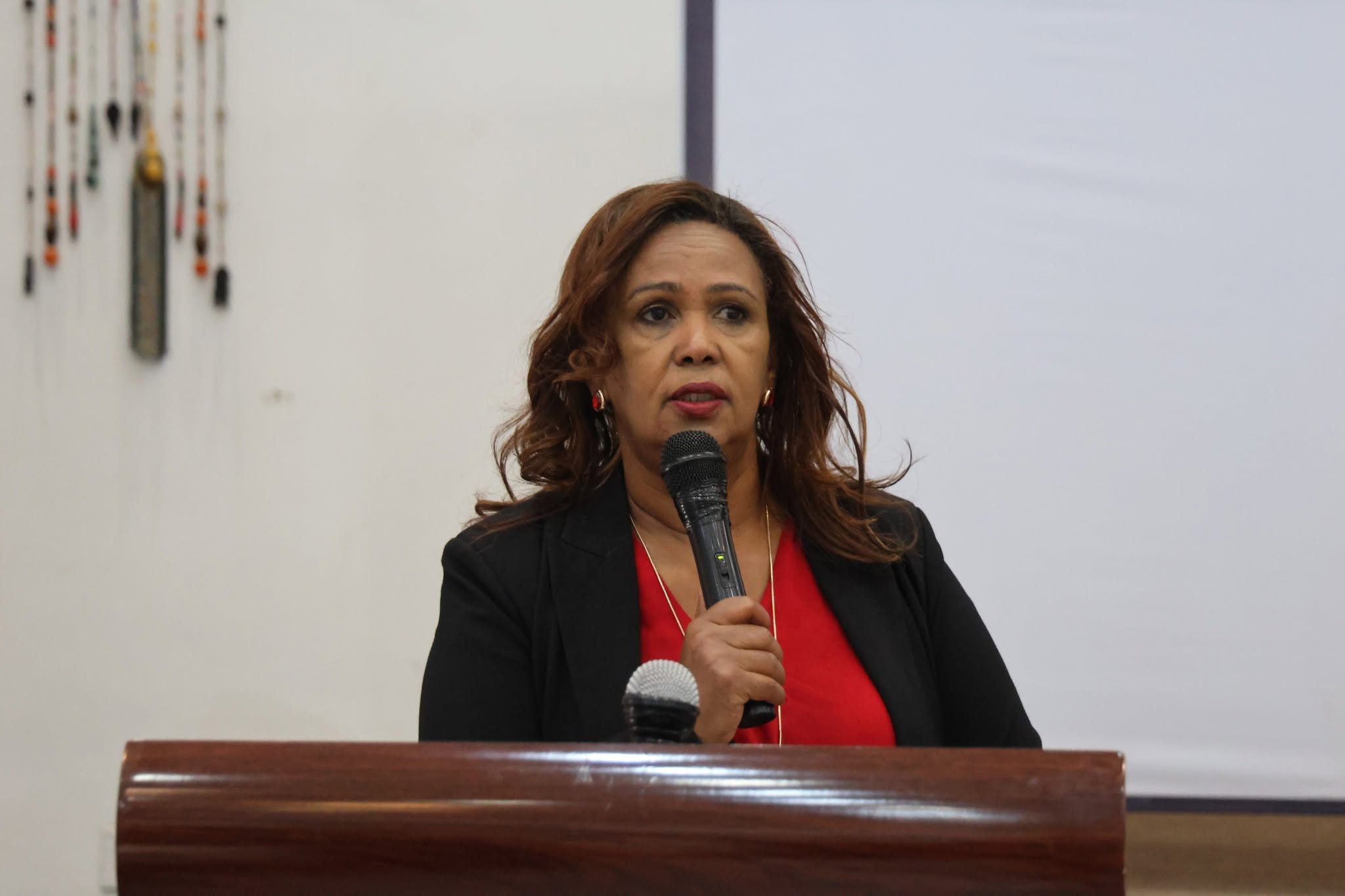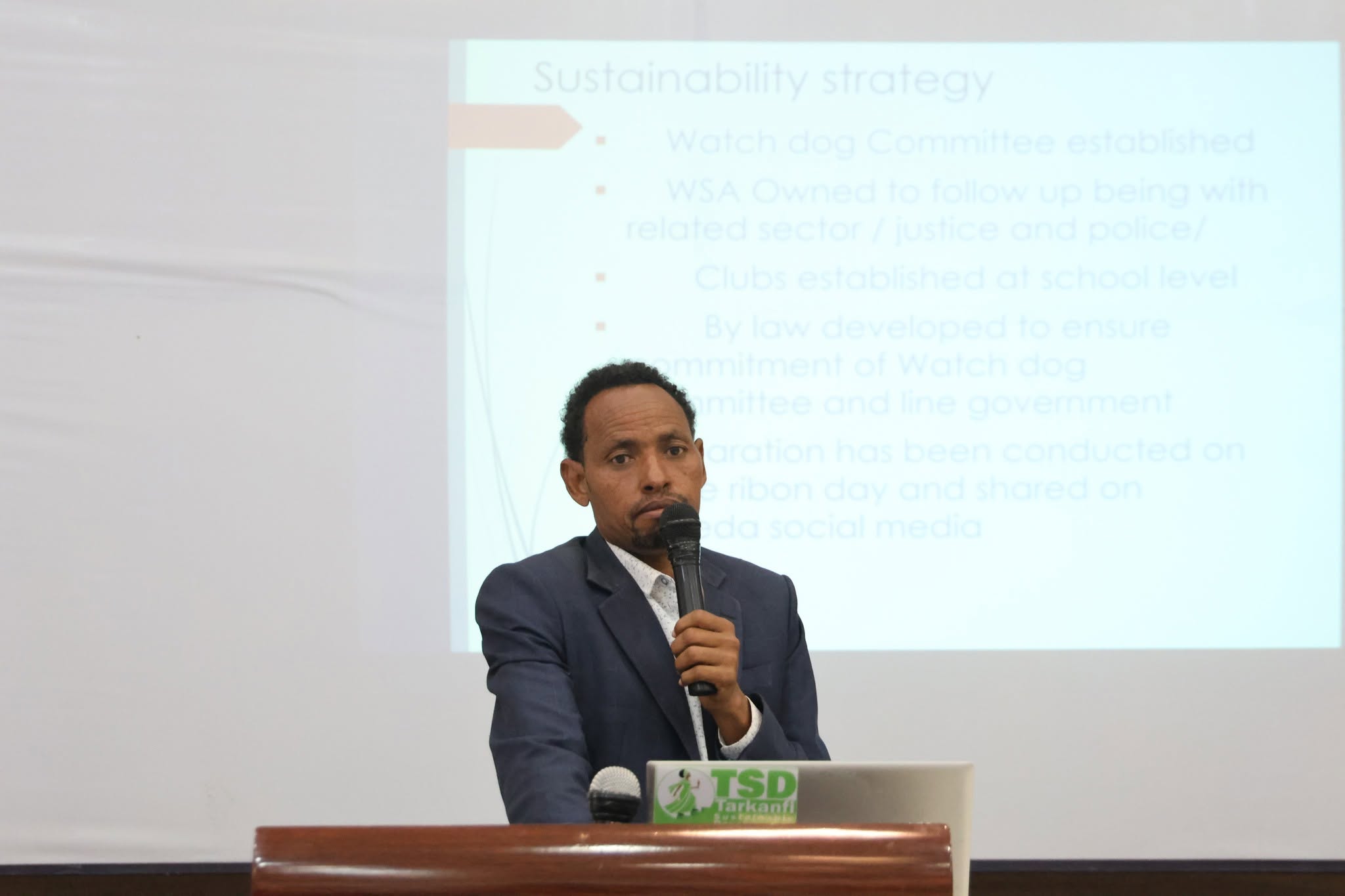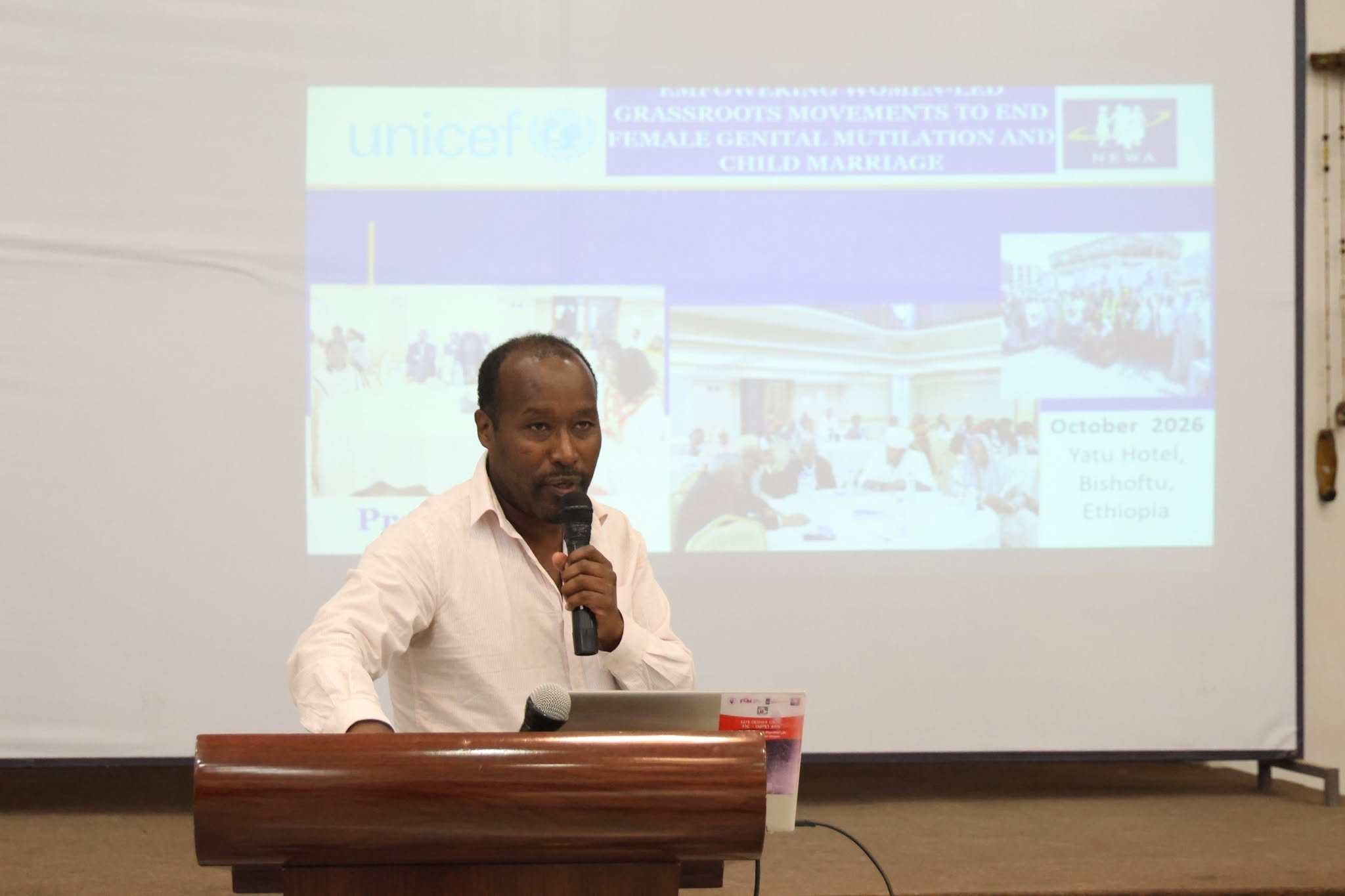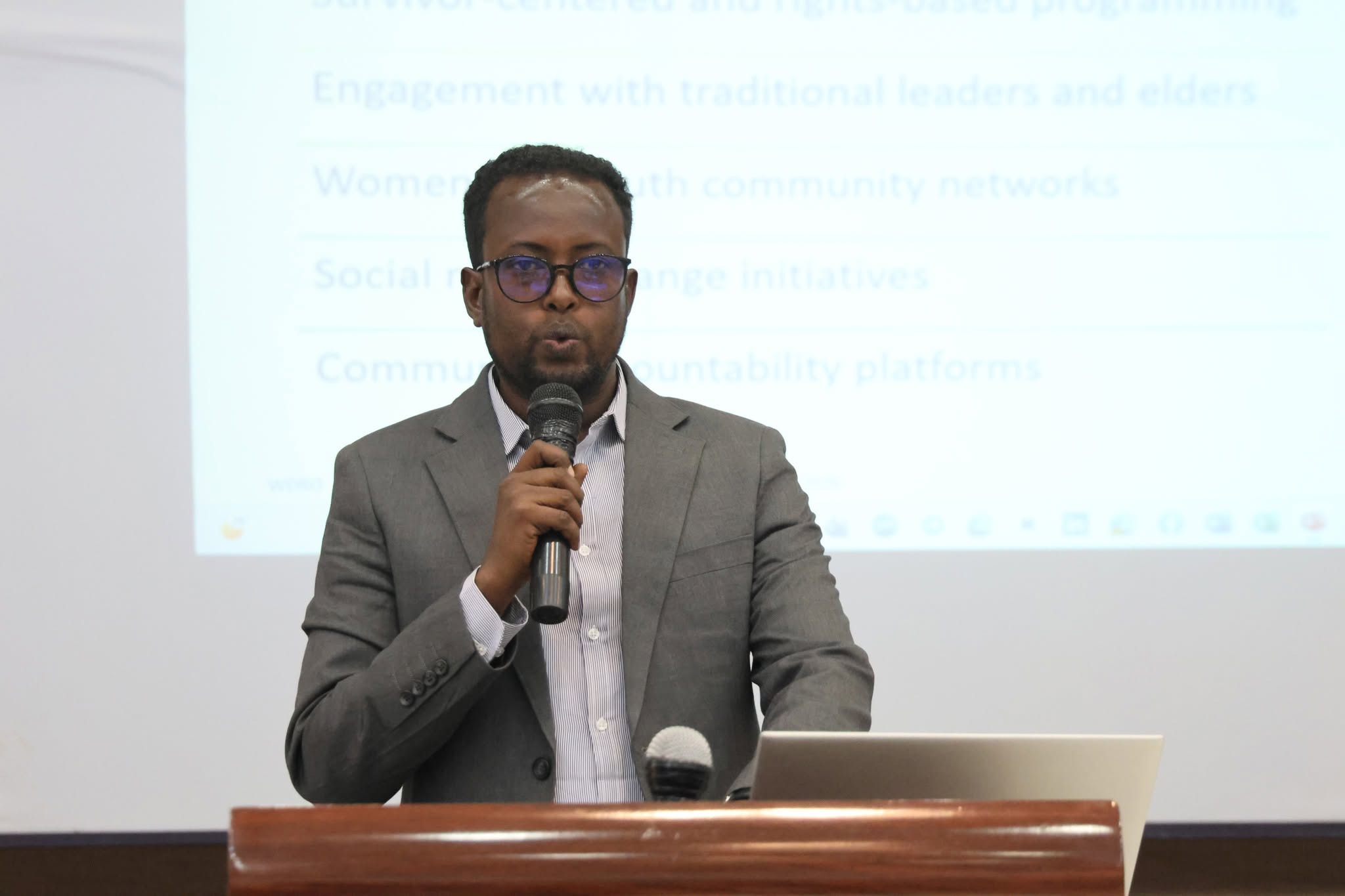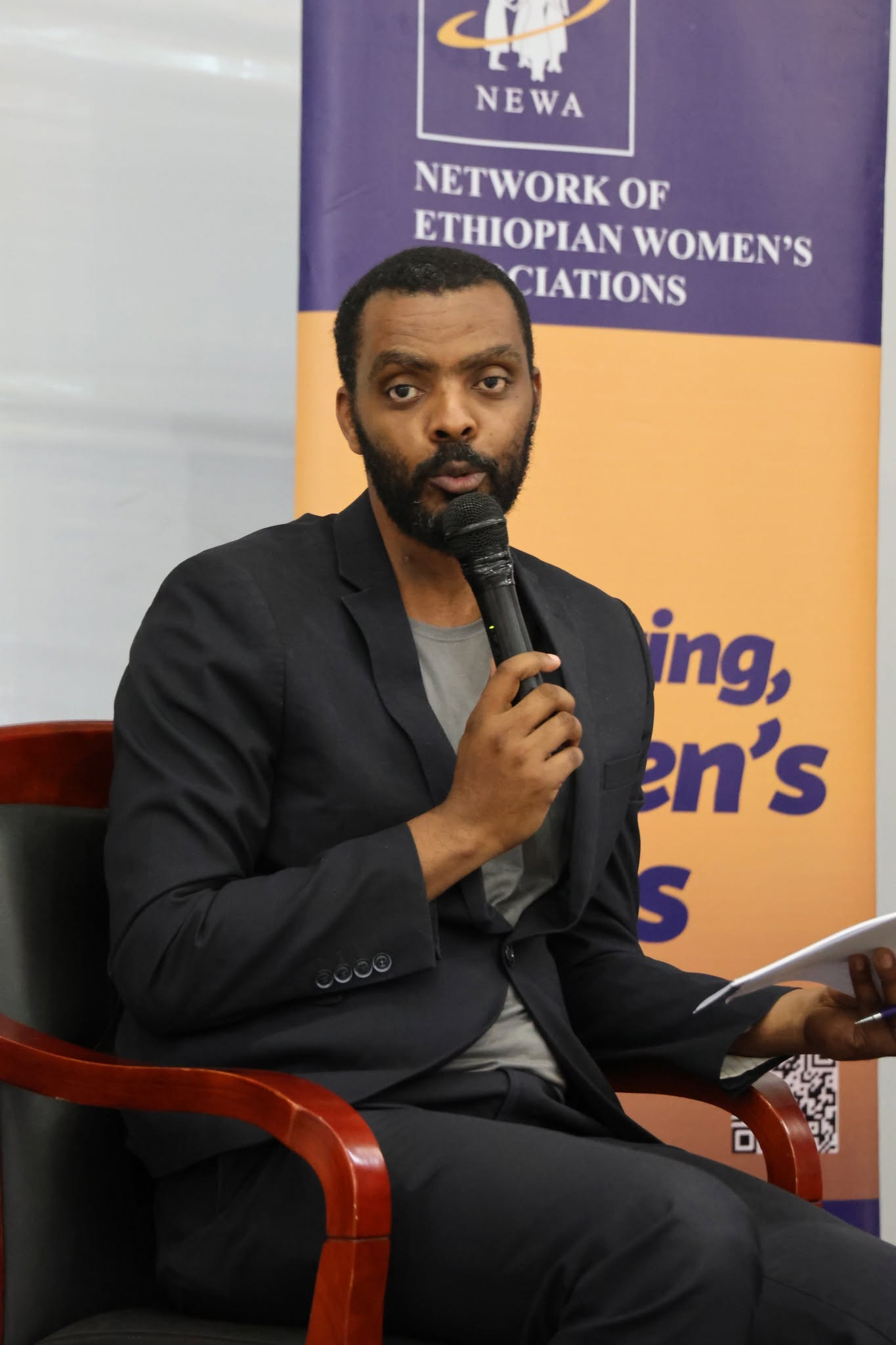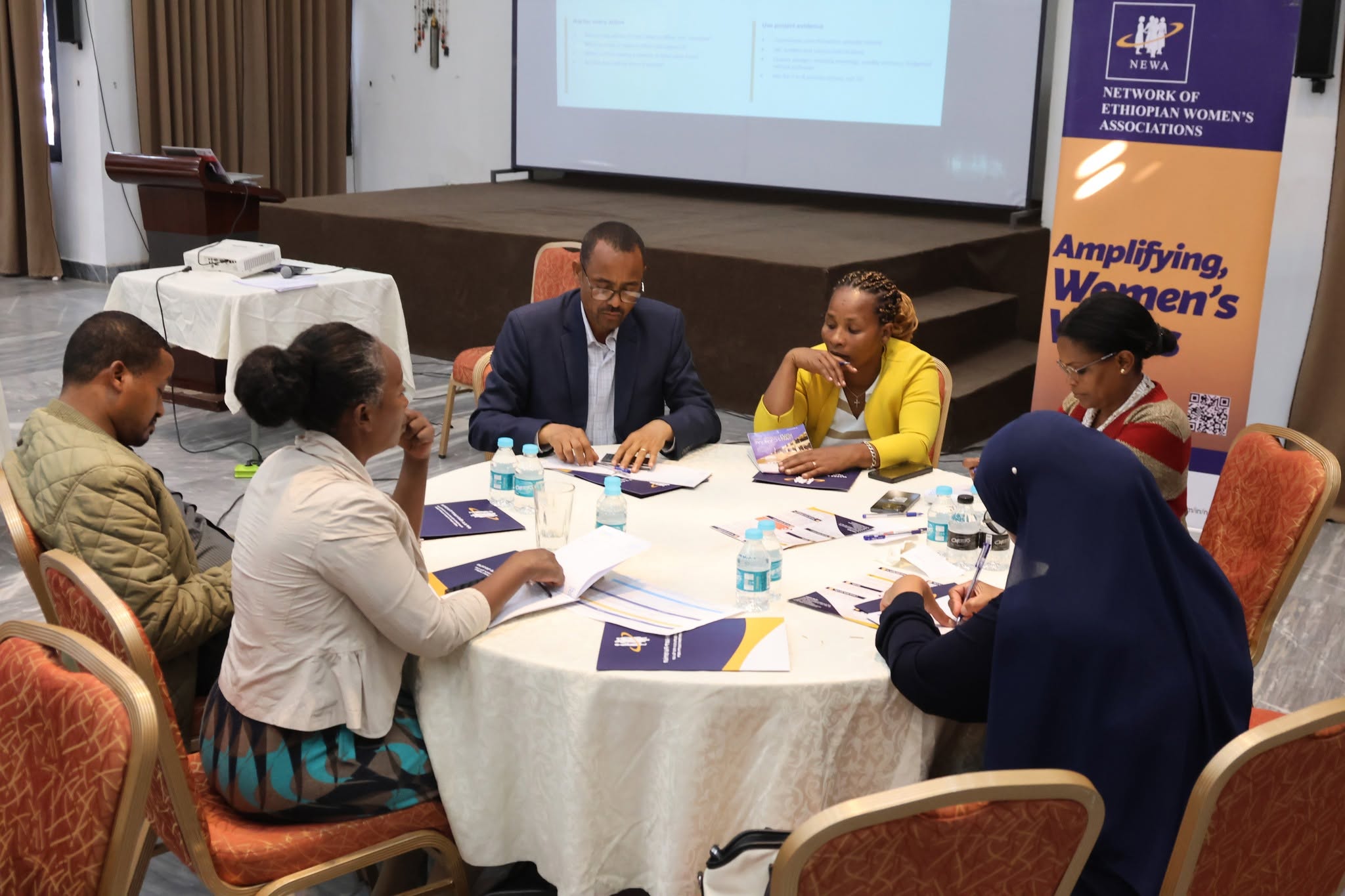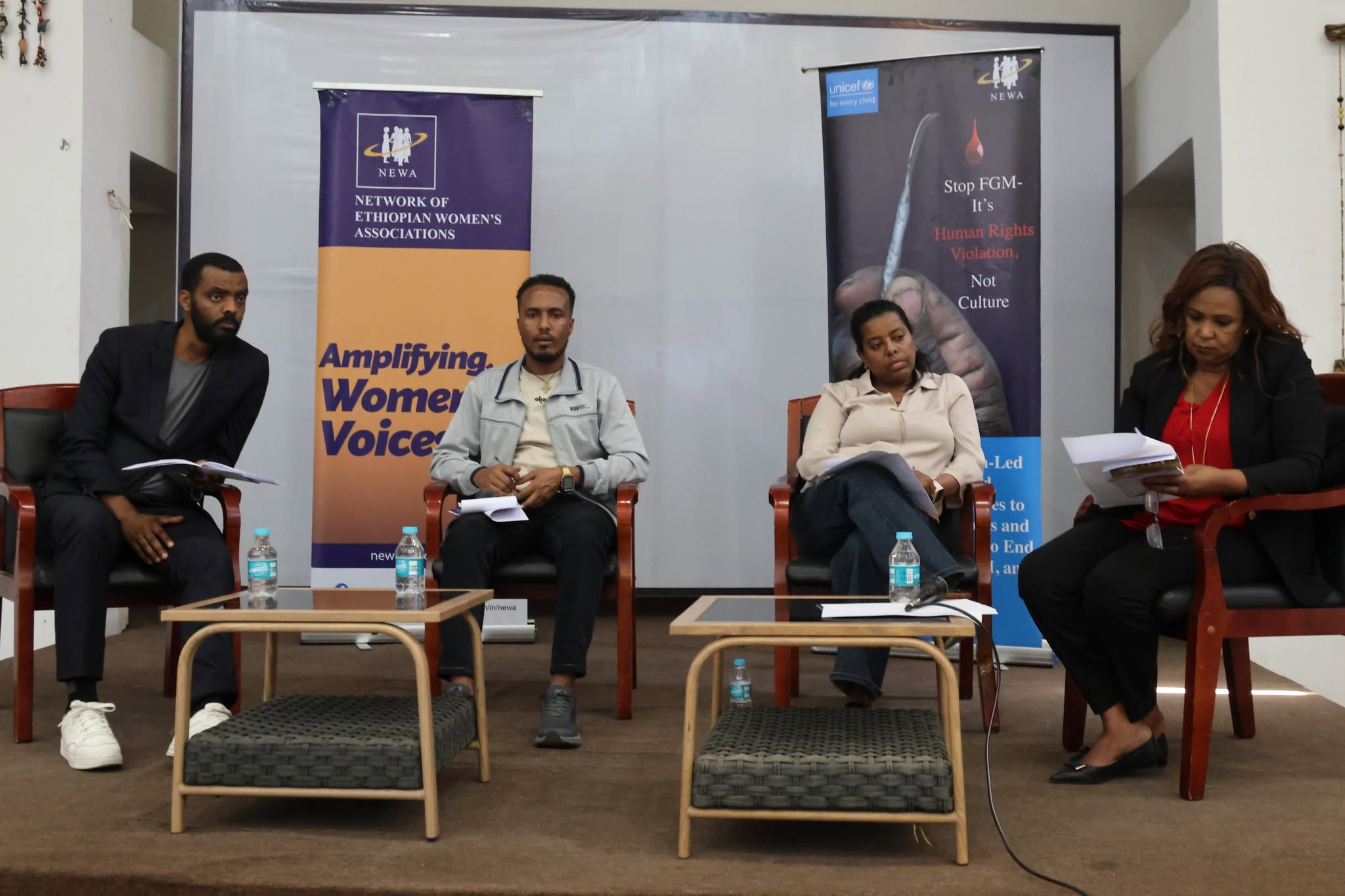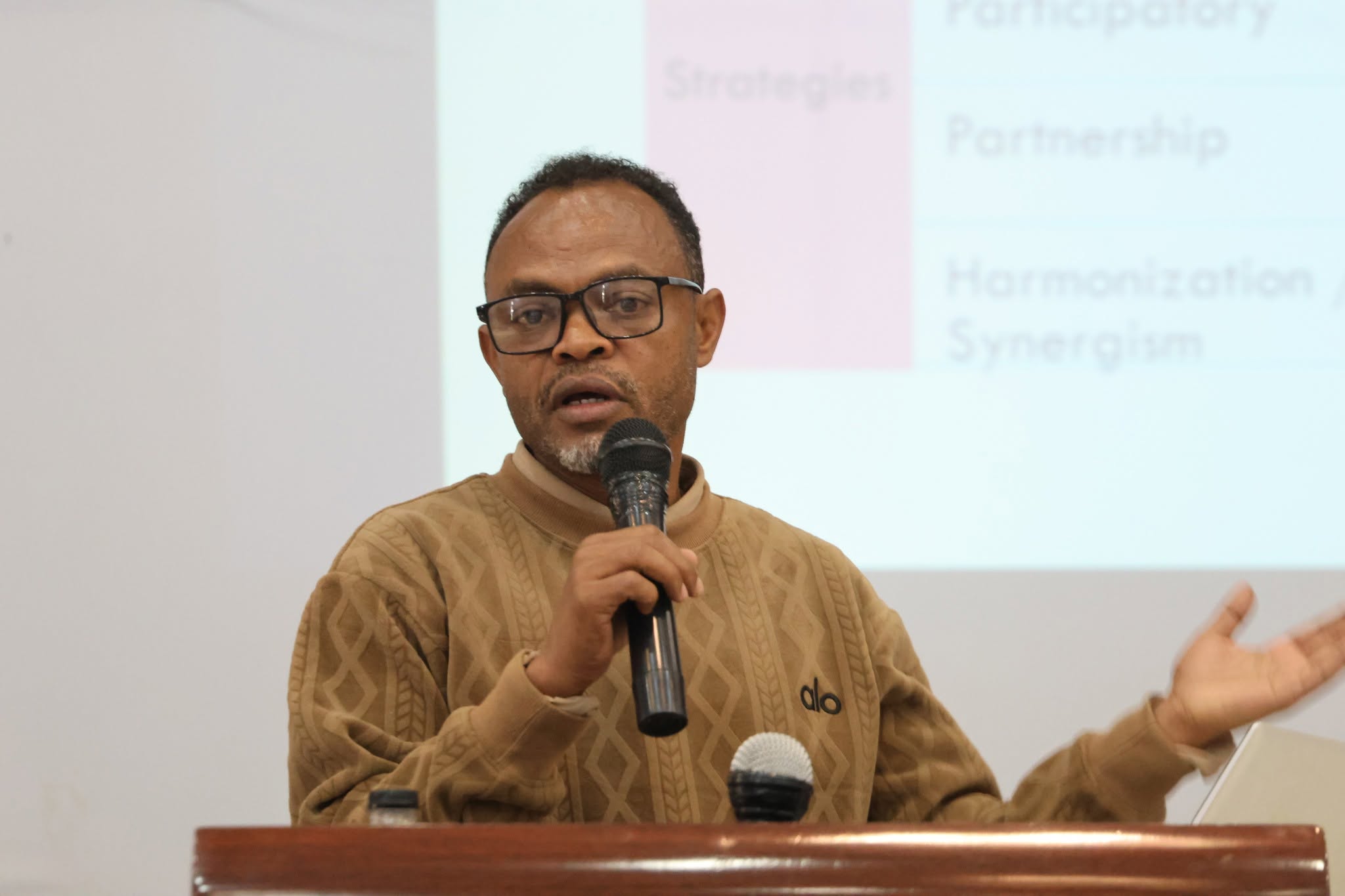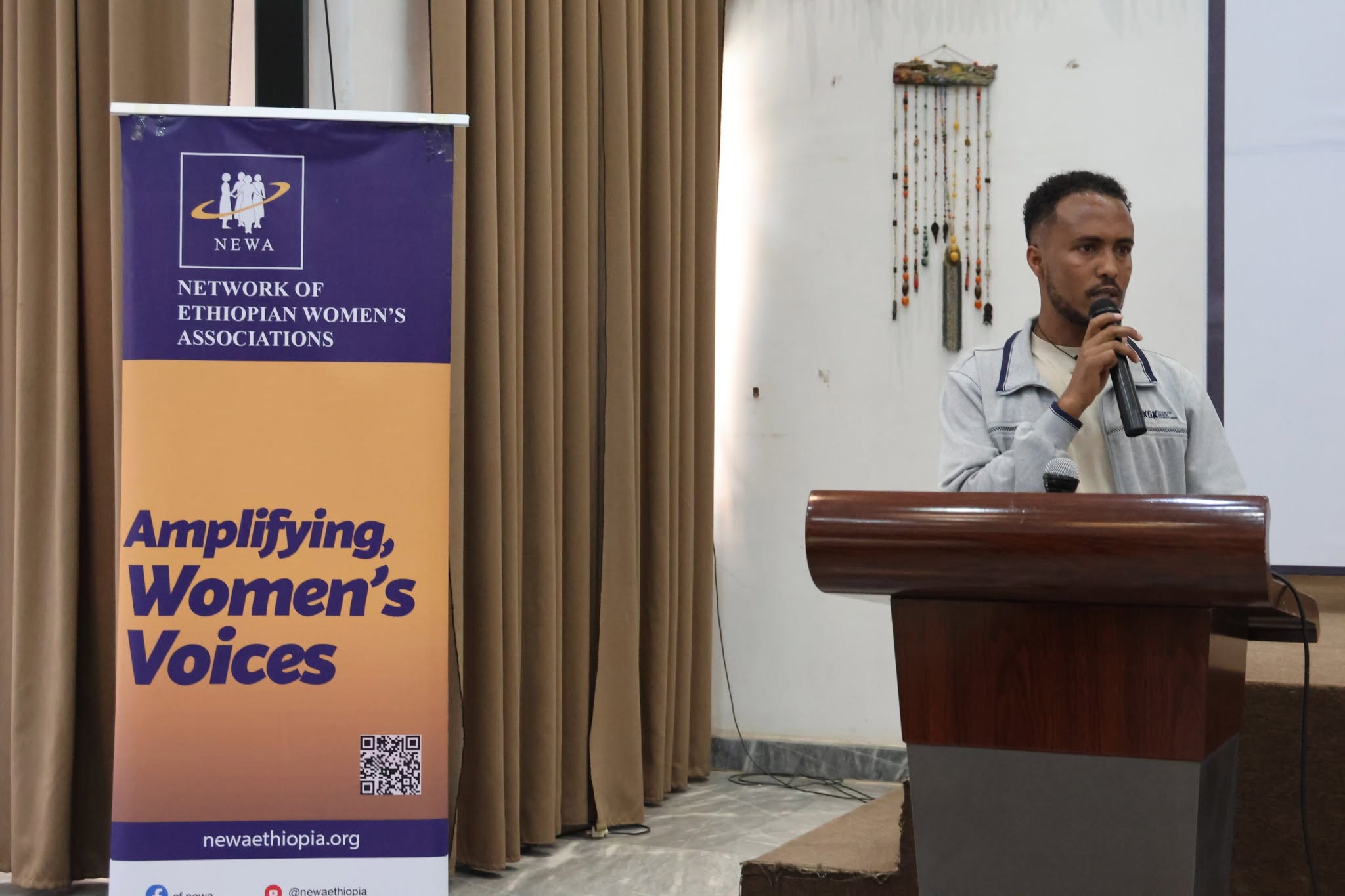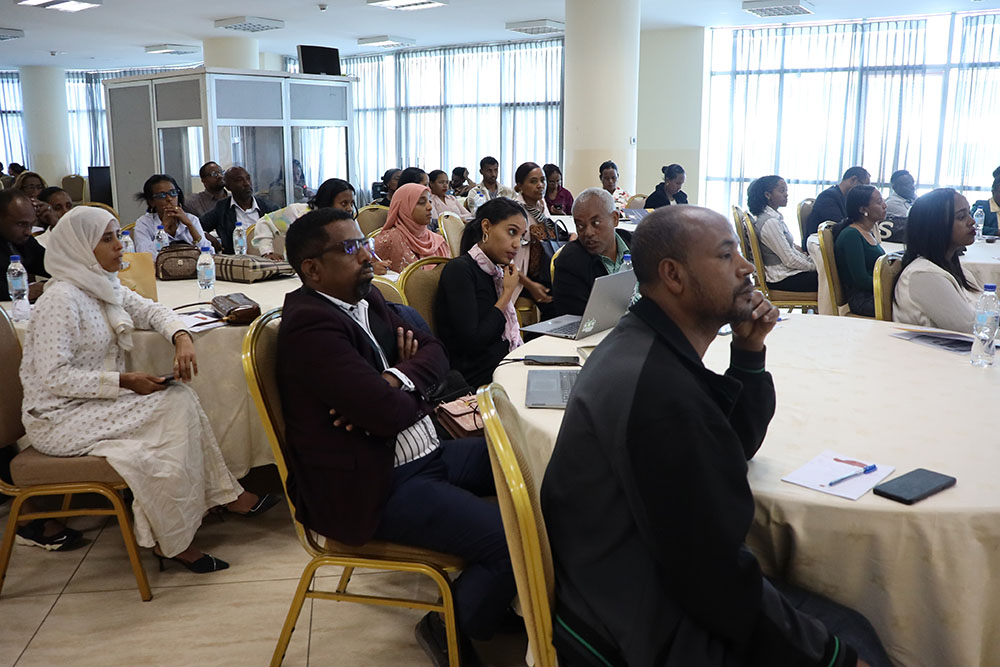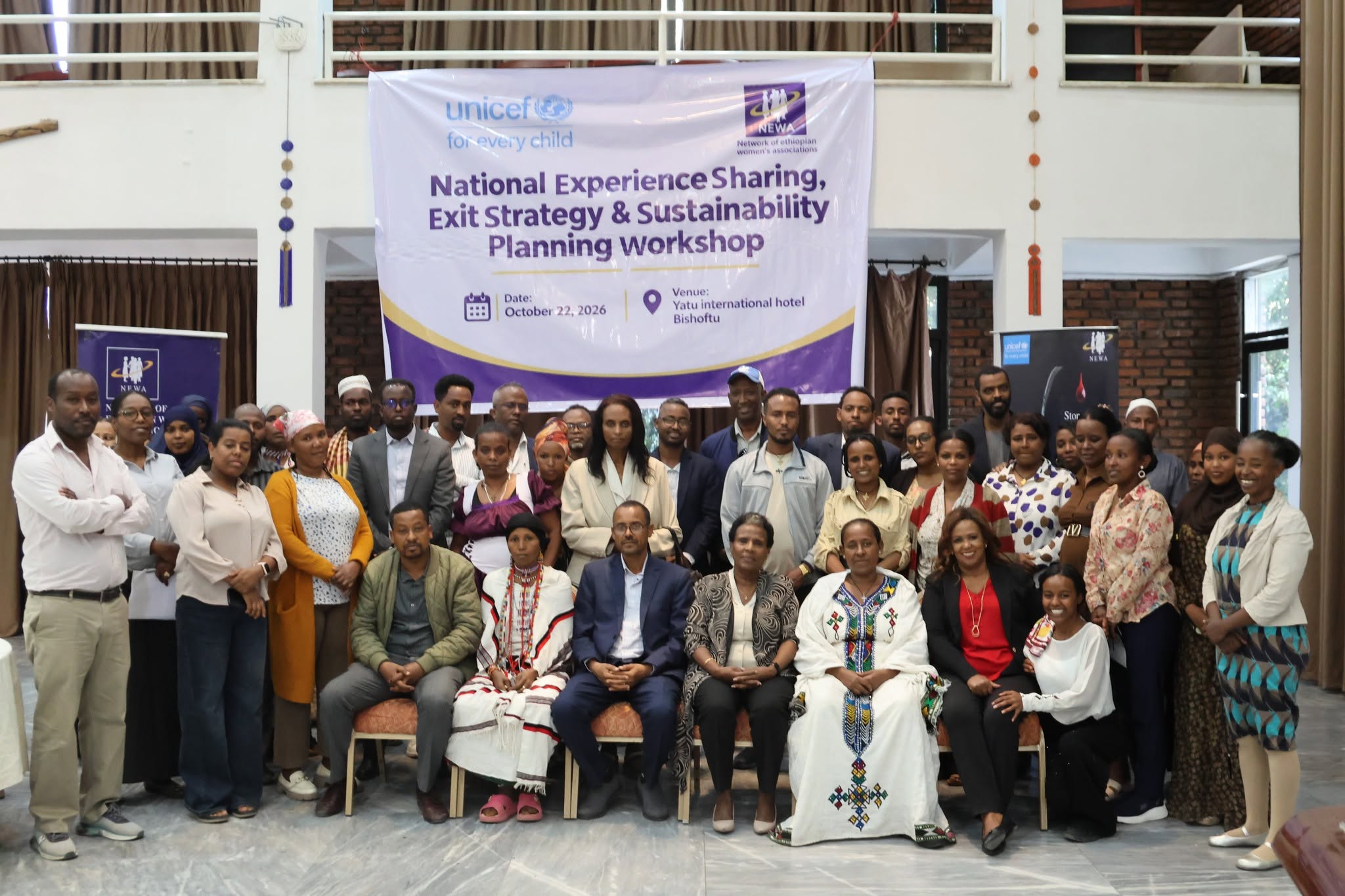
BISHOFTU, ETHIOPIA | October 17, 2026 — The Network of Ethiopian Women’s Associations (NEWA), in strategic partnership with UNICEF Ethiopia, the Ministry of Women and Social Affairs (MoWSA), and regional Bureaus of Women and Social Affairs (BoWSA), successfully convened a National Experience-Sharing, Exit Strategy, and Sustainability Planning Workshop at the Yatu Hotel in Bishoftu, Oromia.
The workshop marked a significant milestone in national efforts to prevent and eliminate female genital mutilation (FGM), child marriage, and violence against children (VAC). It brought together representatives from federal ministries, regional government bureaus, civil society organizations, faith-based and interfaith institutions, media partners, and grassroots women’s rights organizations to reflect on achievements, share best practices, and strengthen mechanisms for sustaining results beyond the project period.
Building on the successes of the 22-month national project, participants developed and reviewed transition frameworks and regional sustainability roadmaps. These are aimed at institutionalizing community-led protection initiatives, strengthening local ownership, and integrating proven approaches into existing government and community structures.
Leadership Commitment to Sustainable, Community-Led Protection
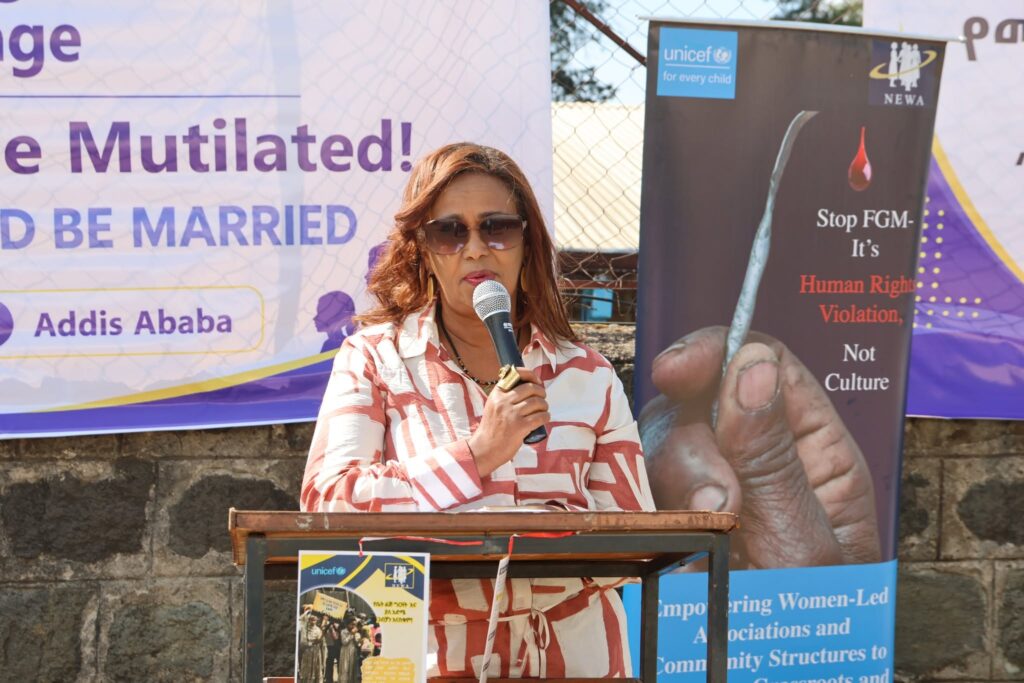
In her opening remarks, Saba Gebremedhin, Executive Director of NEWA, highlighted the importance of translating community-level progress into sustainable institutional change. She emphasized that lasting progress requires robust partnerships, locally owned protection mechanisms, and continued commitment from government institutions and communities.
“Sustained normative change requires that community-led protection structures, watchdog committees, and multi-faith coalitions transition into permanent, locally owned frameworks,” said Saba Gebremedhin. “Through our strategic partnership with UNICEF Ethiopia, regional sub-grantees, and government partners, we have shifted the focus from temporary awareness-raising to concrete, community-driven action that supports lasting protection for every Ethiopian girl.”
Representatives of the Ministry of Women and Social Affairs and other government partners reaffirmed the importance of integrating community-based protection initiatives into formal government systems. Their closing reflections underscored the need for sustained coordination among government institutions, regional bureaus, civil society organizations, and local administrations to strengthen prevention, reporting, and referral mechanisms.
“The institutionalization of these grassroots models is a national priority. MoWSA remains dedicated to working alongside regional bureaus, civil society allies, and local administrations to strengthen protective legal frameworks, sustain community reporting mechanisms, and integrate community protection approaches into regular government structures.” — Ministry of Women and Social Affairs (MoWSA) Representative
The discussions reflected a shared commitment to consolidating progress across the Amhara, Oromia, and Somali regions and ensuring that community-led initiatives remain active and effective beyond the project’s implementation period.
Sharing Results and Good Practices from the Regions
Regional implementing partners and NEWA’s program team presented key achievements, lessons learned, and promising practices from project implementation. The presentations featured the experiences of the Amhara Women Association (AWA), Terkanfi Sustainable Development (TSD), and the Women Development and Resilience Organization (WDRO).