Stakeholders Co-Create Practical Solutions to Reduce Unpaid Care and Domestic Work in Addis Ababa and Oromia
Addis Ababa, Ethiopia | 29–30 September 2026
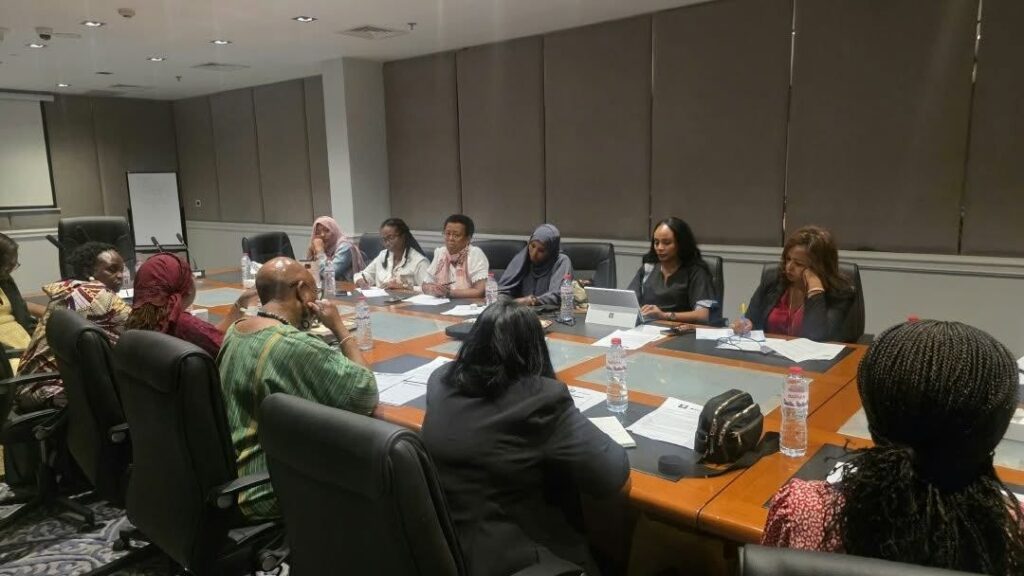
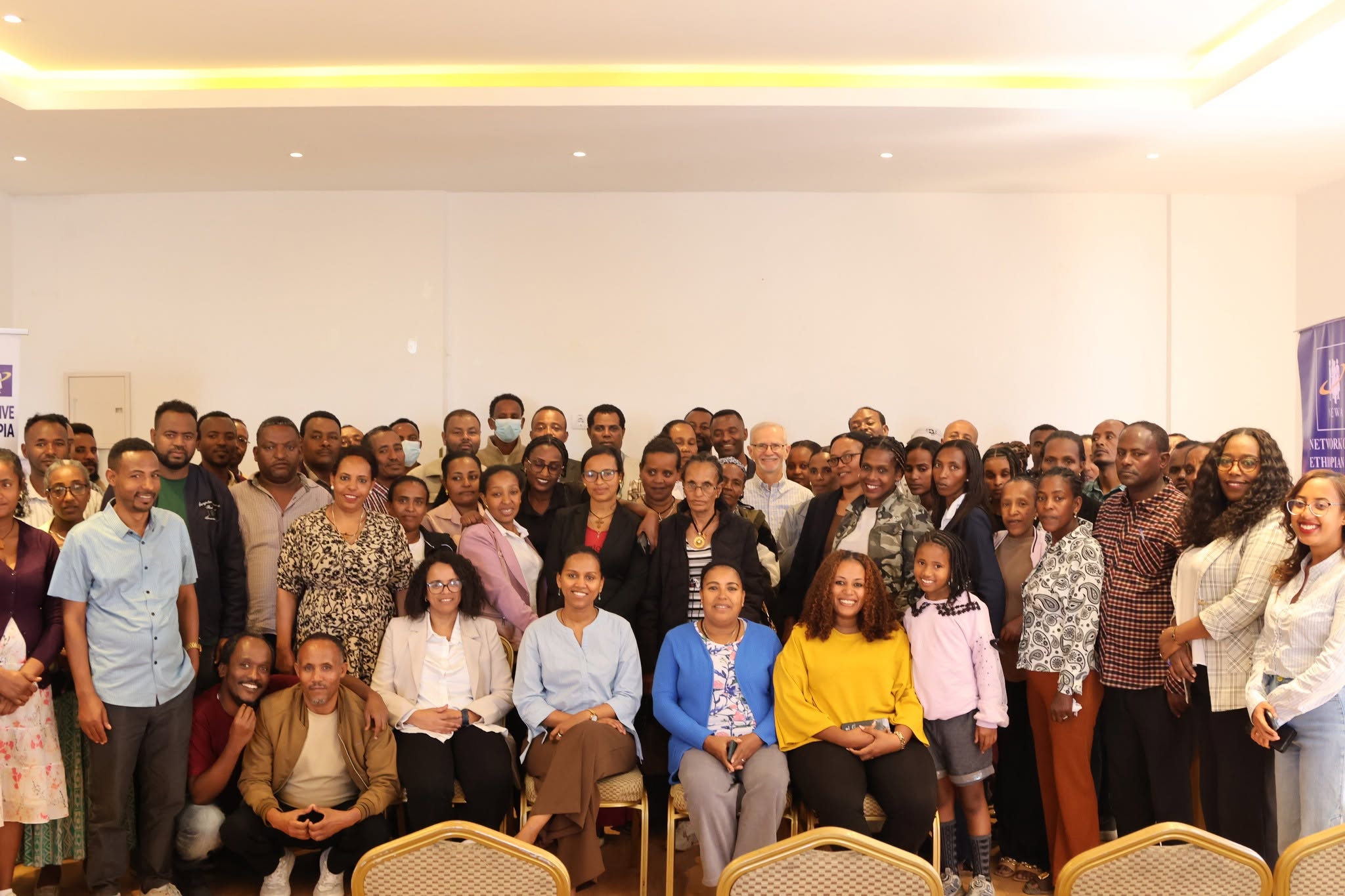
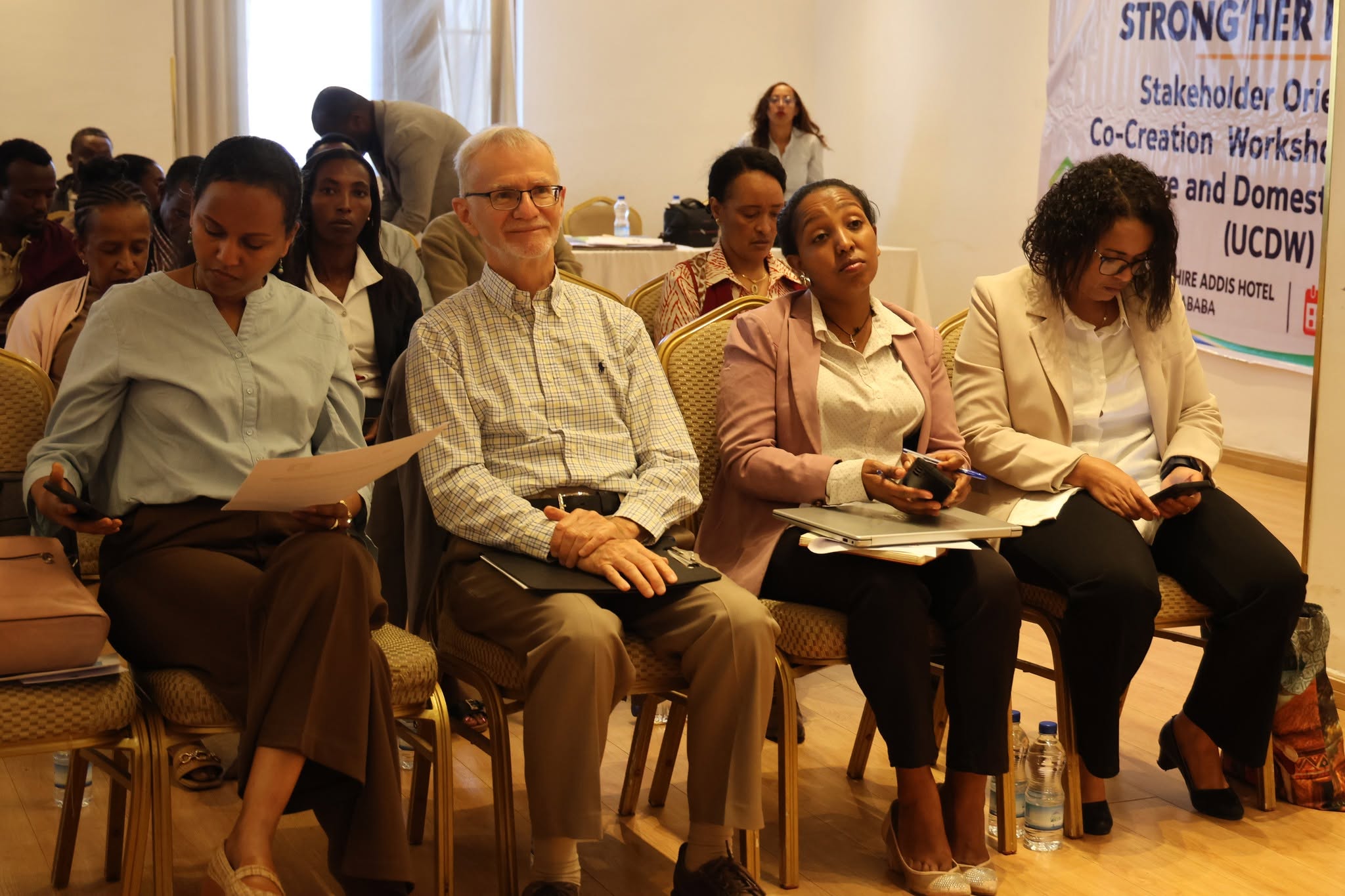
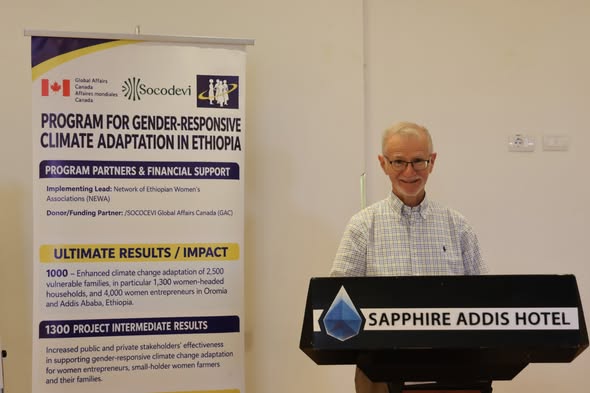
A two-day participatory workshop on Unpaid Care and Domestic Work (UCDW) successfully convened 71 participants at the Sapphire Addis Hotel in Addis Ababa on 29–30 September 2026. Organized jointly by the Network of Ethiopian Women’s Associations (NEWA) and SOCODEVI under the STRONG’HER Project, the workshop served as a vital collaborative platform to identify practical, locally driven solutions for reducing the heavy time and labor burdens that unpaid care and domestic responsibilities place on women and families.
The workshop brought together a diverse group of key stakeholders representing regional governance, grassroots communities, and national development partners:
Local Administrations and Woredas: Representatives from five target woredas—Lume, Ambo, Ejere, Wolmera, and Toke Kutaye—alongside Addis Ababa City Administration bureaus.
Government Ministries: Delegates from the Ministry of Agriculture (MoA) and the Ministry of Women and Social Affairs (MoWSA).
Civil Society and Cooperatives: NEWA, SOCODEVI, the STRONG’HER Project, ERSHA, Melka Ethiopia, the Ambo Farmers’ Union, and the Lume-Adama Farmers’ Union.
Designed as an action-oriented platform, the event deliberately moved beyond discussing the challenges of UCDW toward identifying feasible interventions, clear institutional responsibilities, and practical actions implementable at both woreda and sector levels.
Opening and Welcome Remarks
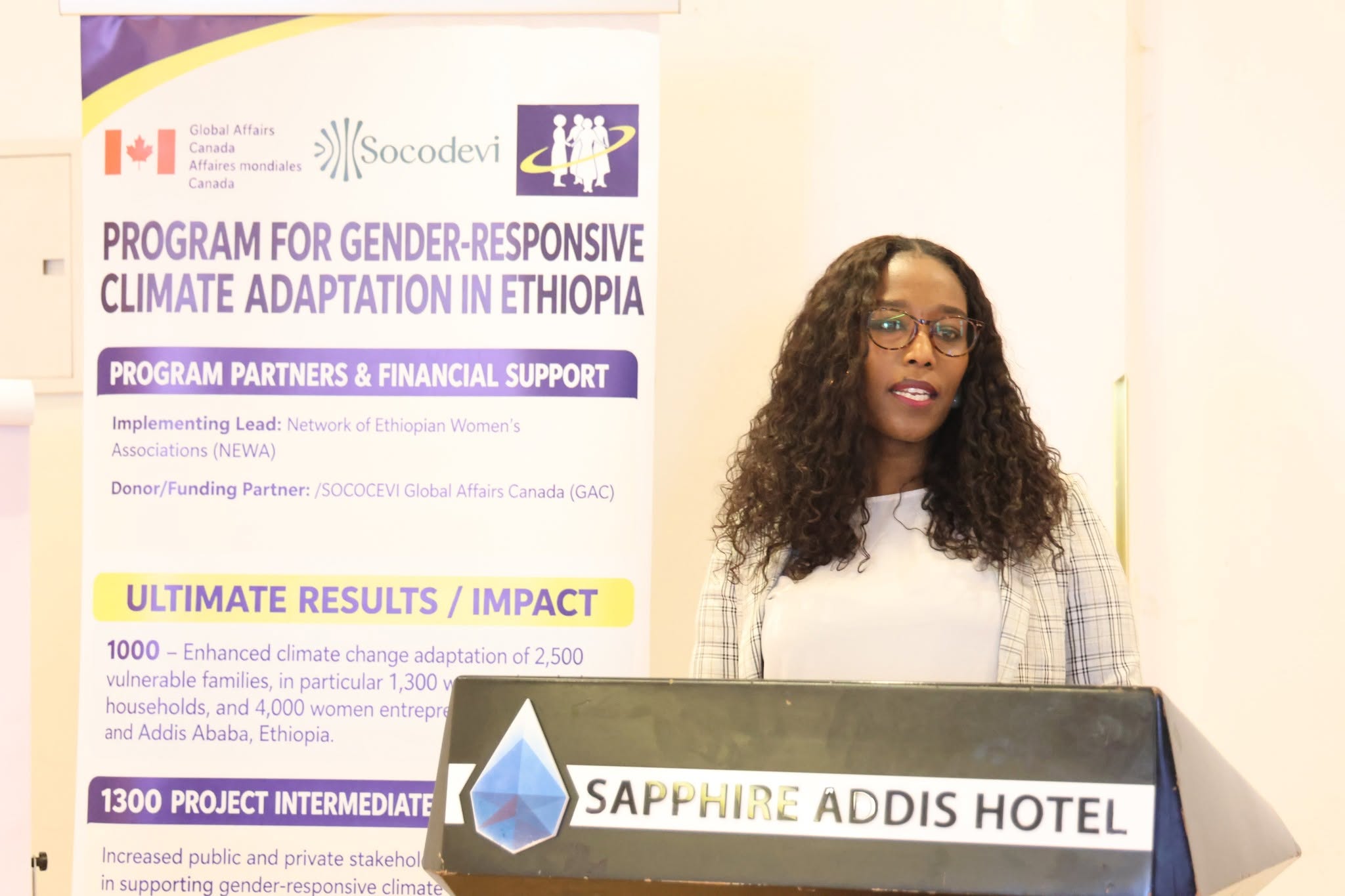
The event commenced with welcoming remarks delivered by Yididya Abebe on behalf of Wro. Saba G/Medhin, Executive Directress of NEWA. The address welcomed attendees, outlined the core workshop objectives, and emphasized the critical necessity of collective action to ease the care burden.
Opening remarks were also delivered by SOCODEVI Country Director Mario Boivin, who highlighted SOCODEVI’s work in partnership with Global Affairs Canada, underscored the strong collaboration behind the STRONG’HER Project, and stressed the urgency of transforming shared understandings into concrete, localized interventions.
Technical Foundations: From Understanding the Burden to Identifying Solutions
The technical sessions opened with an introduction to the SOCODEVI STRONG’HER Project by SOCODEVI Deputy Directress Alemtsehay Ejigu, who framed the initiative’s overarching goals for women’s economic empowerment.
NEWA Program Officer Desalegn Terecha Edea then led a comprehensive session on UCDW and the 5Rs Framework (Recognize, Reduce, Redistribute, Reward, and Represent). Presenting localized time-poverty data from Addis Ababa and the five woredas, the session vividly demonstrated how unpaid care obligations restrict women’s access to economic and social opportunities. A lively question-and-answer session followed.
Collaborative Time-Use Diary Exercise
Facilitated by the joint NEWA and SOCODEVI team, participants engaged in a hands-on time-use diary exercise. This comparative analysis mapped out how household and care responsibilities are distributed across urban, peri-urban, and agrarian settings, highlighting stark gender disparities and pinpointing where the heaviest household burdens lie.
Breakout Sessions and Leverage Point Mapping
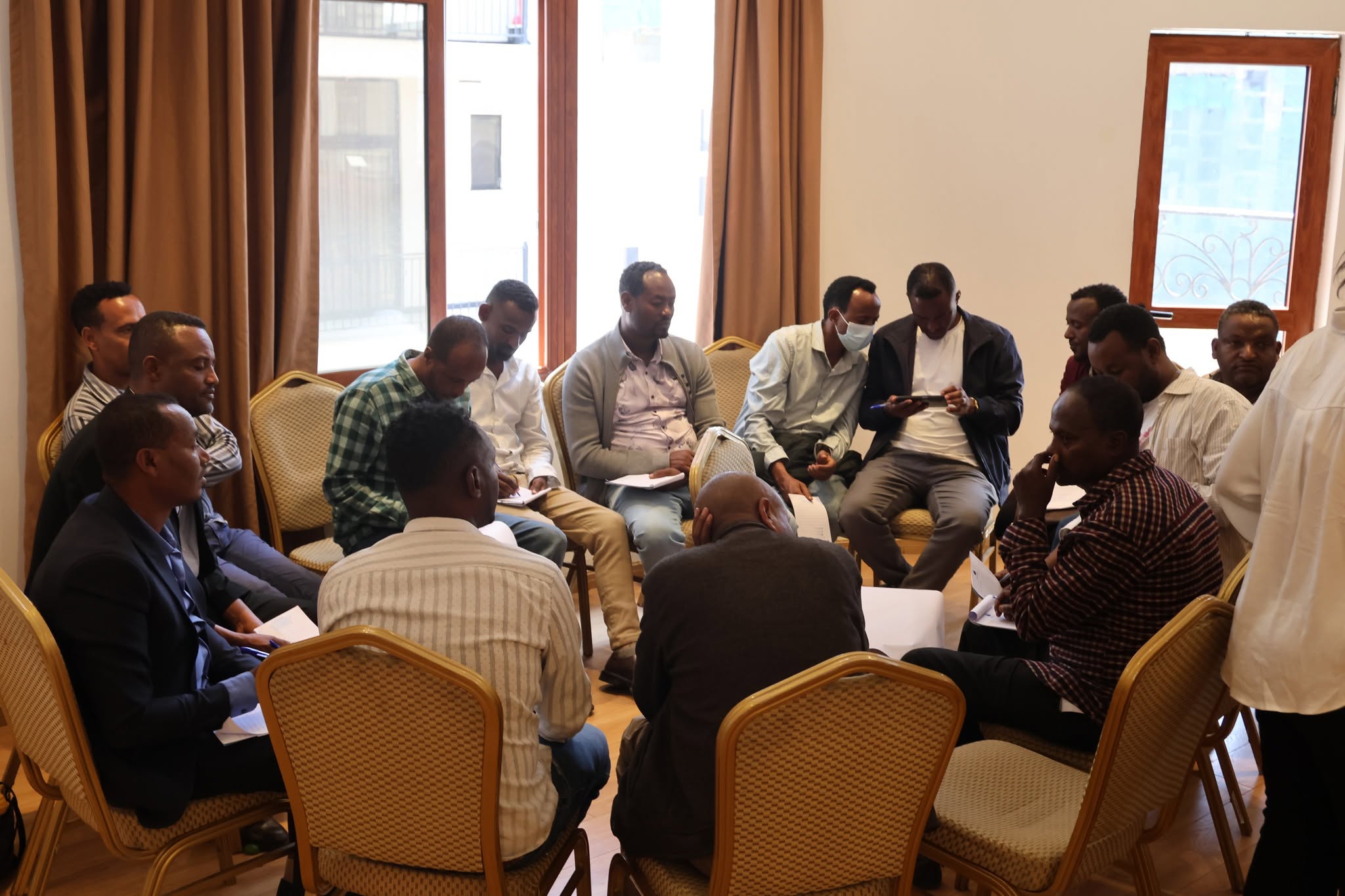
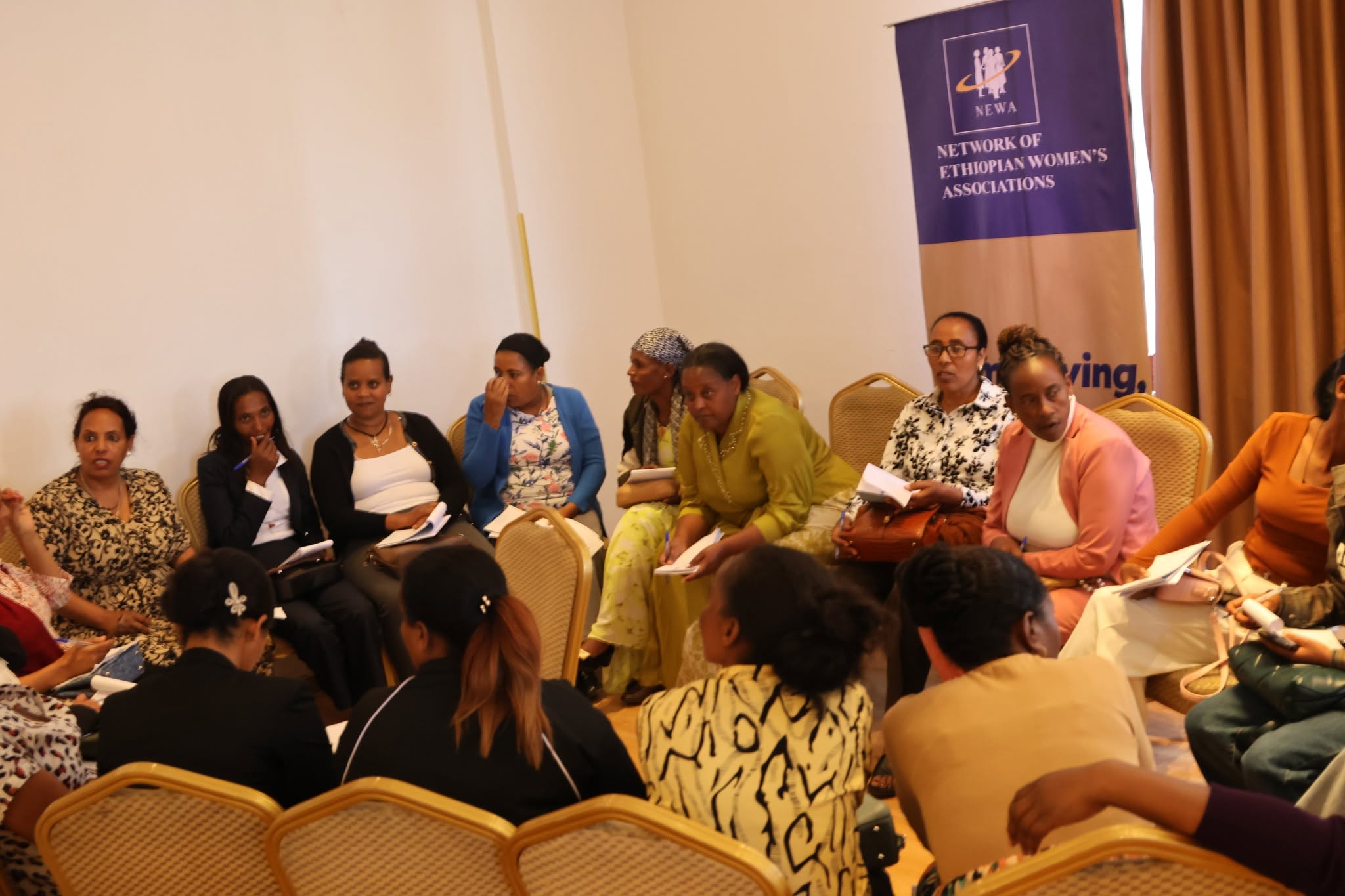
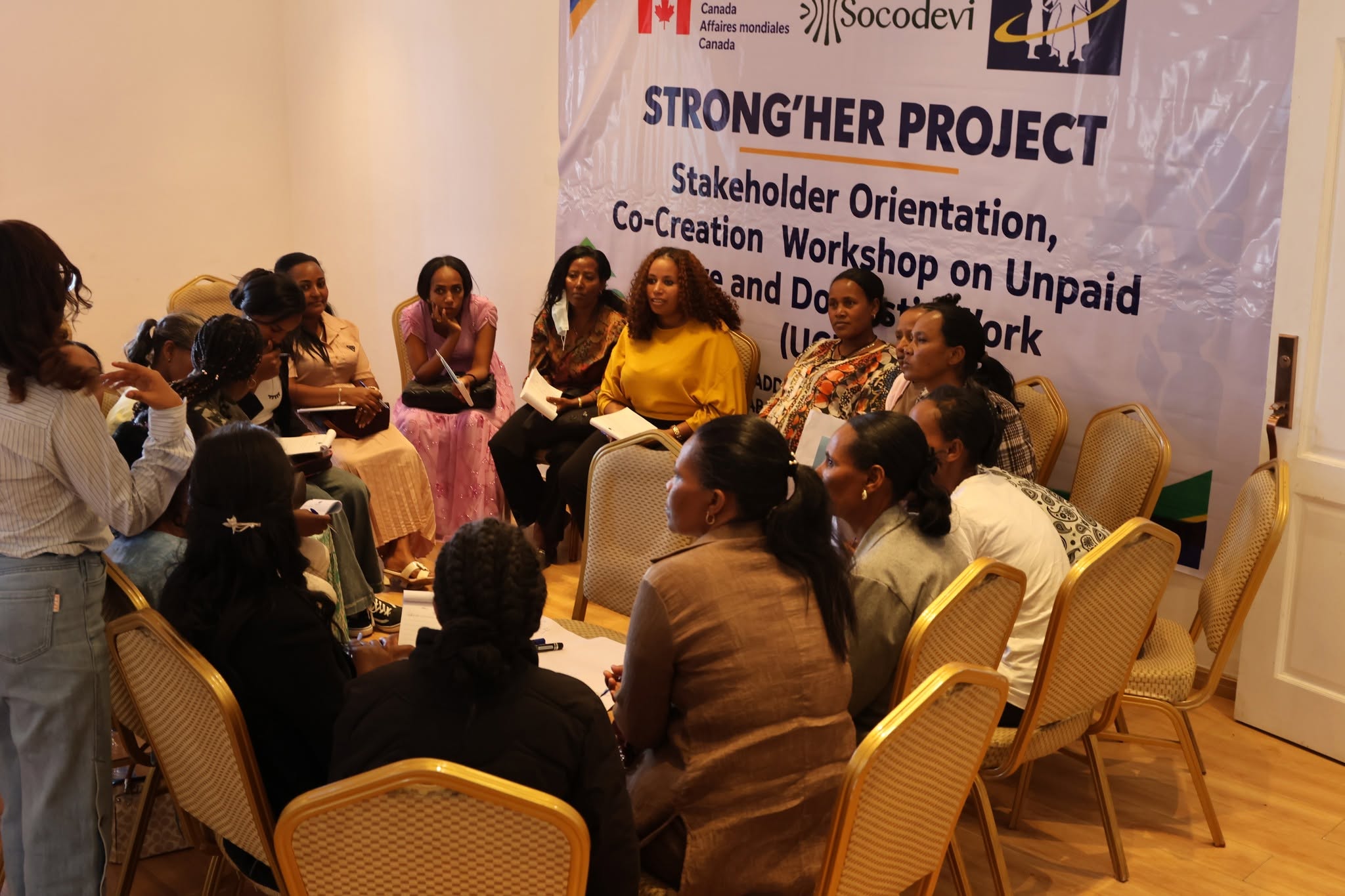
Organized into dedicated woreda and sector groups, participants mapped critical leverage points influencing the distribution of unpaid care work:
Water Access and Infrastructure: Evaluating collection times and service reliability.
Energy Alternatives: Expanding improved cooking technologies to minimize domestic labor.
gricultural Innovations: Introducing labour-saving equipment, such as threshers, to ease agricultural workloads.
Childcare and Community Services: Exploring early childhood care and education frameworks.
Institutional Support: Integrating Health Extension Workers (HEWs) and strengthening municipal backing.
Social Norms: Fostering men’s participation and community-based support systems.
A robust plenary synthesis—facilitated to bridge community needs with institutional capabilities. Discussions rigorously evaluated proposed interventions by addressing feasibility, piloting potential, long-term ownership, maintenance, financing, accountability, and scalability.
Co-Creating Woreda and Sector-Level Actions
Day two shifted the focus decisively from analysis to actionable strategy. Working in thematic and geographic groups, participants designed contextualized solutions:
Ambo, Toke Kutaye, Wolmera, and Ejere: Focused on labour-saving agricultural technologies and enhanced peri-urban service access.
Lume: Designed industrial public-private partnership (PPP) childcare models.
Addis Ababa: Formulated robust municipal integration frameworks.
Teams refined and costed these low-cost solutions to ensure they could be effectively piloted within the STRONG’HER project budget. Proposals were tied to clear institutional roles, designated beneficiaries, and measurable UCDW indicators.
The groups presented their models in a plenary session, receiving structured feedback from regional Bureau of Women, Children and Youth Affairs (BoWCYA) and municipal representatives to cross-pollinate best practices. Rather than developing isolated interventions, participants emphasized how government bodies, communities, service providers, farmers’ organizations, and civil society must unite to build sustainable solutions.
Turning Ideas into 90-Day Action
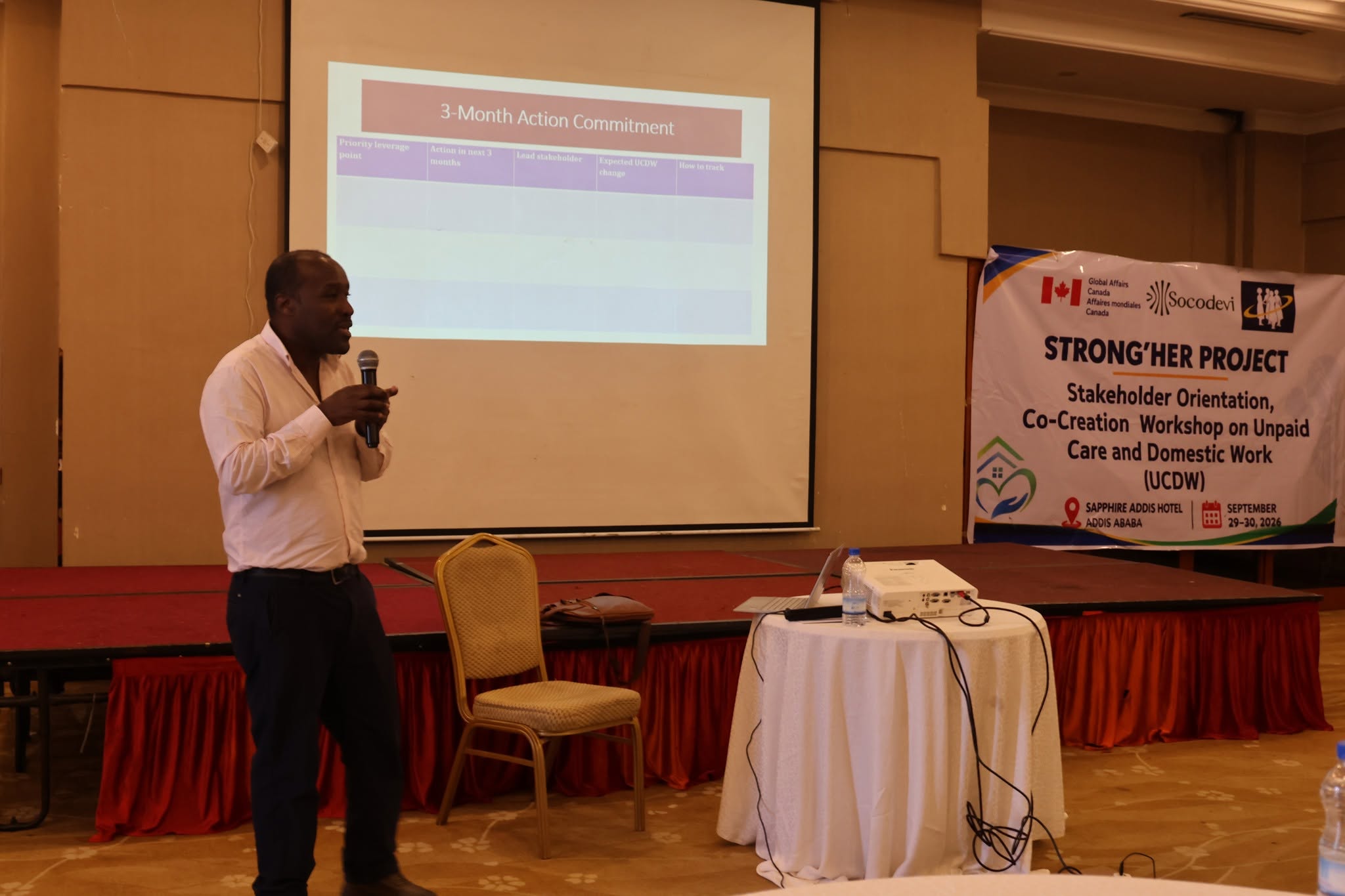
A defining hallmark of the workshop was its commitment to practical, time-bound execution. Rather than remaining static recommendations, the action-planning process established concrete 90-day steps across water access, clean energy, climate-resilient agricultural technologies, childcare services, and institutional coordination.
This approach ensures that proposed interventions evolve into locally owned actions backed by solid partnerships, defined implementation responsibilities, and measurable results.
Strengthening Collaboration for Change
The multi-sectoral participation of government institutions, woredas, farmers’ unions, civil society, and development partners demonstrated that reducing UCDW requires coordinated action across infrastructure, agriculture, energy, childcare, local governance, social norms, and community systems rather than a single isolated intervention.
The workshop concluded by the closing remark of Senait Endale, SOCODEVI GENDER SPECIALIST with an evaluation, final reflections, and official closing remarks by NEWA and SOCODEVI leadership, following the formal adoption of monitoring indicators and institutional roles for the upcoming pilot phases.
The journey from dialogue to action has truly begun—driven by locally identified priorities, practical solutions, and stronger institutional partnerships among the communities and institutions that can make change happen.#CoCreation #LocalAction #InclusiveDevelopment #SocialTransformation
Share this post: on Twitter on Facebook on LinkedIn