Addis Ababa, Ethiopia — September 24, 2026

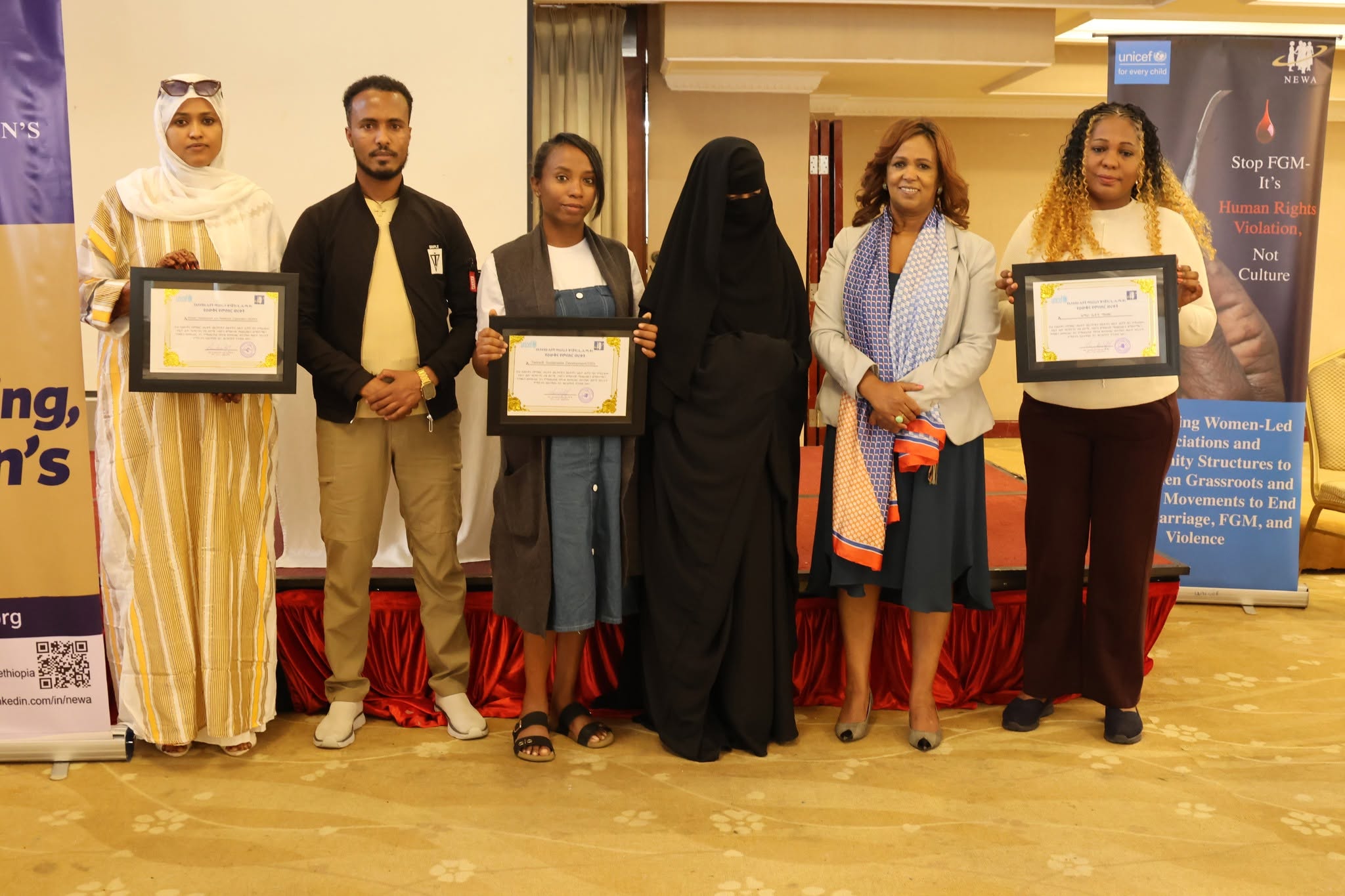
In a powerful celebration of grassroots leadership and community-driven change, the Network of Ethiopian Women’s Associations (NEWA), in partnership with UNICEF Ethiopia, honored six outstanding community champions for their exceptional contributions to ending Female Genital Mutilation (FGM), Child Marriage, and Violence Against Children in Ethiopia.
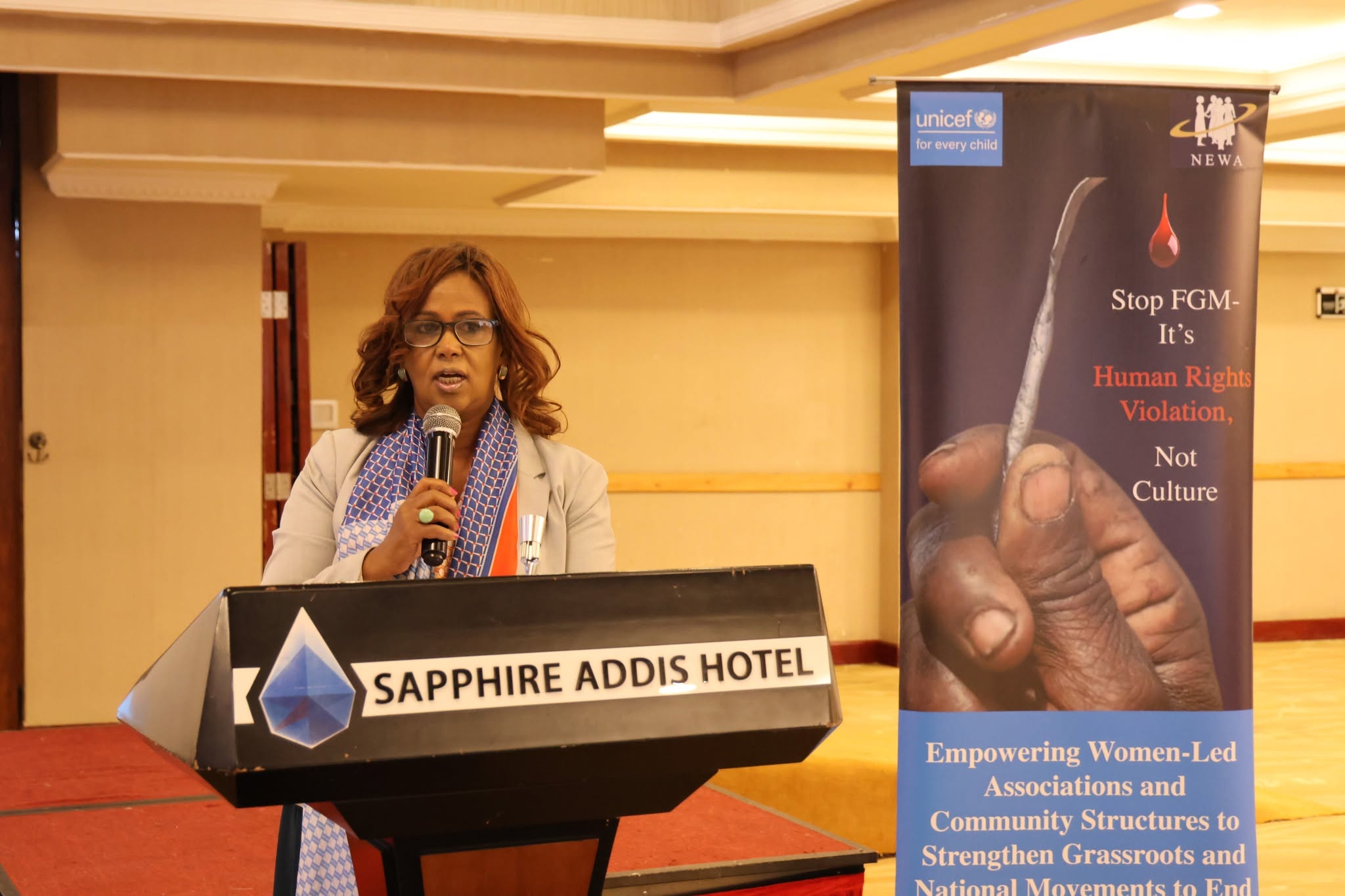
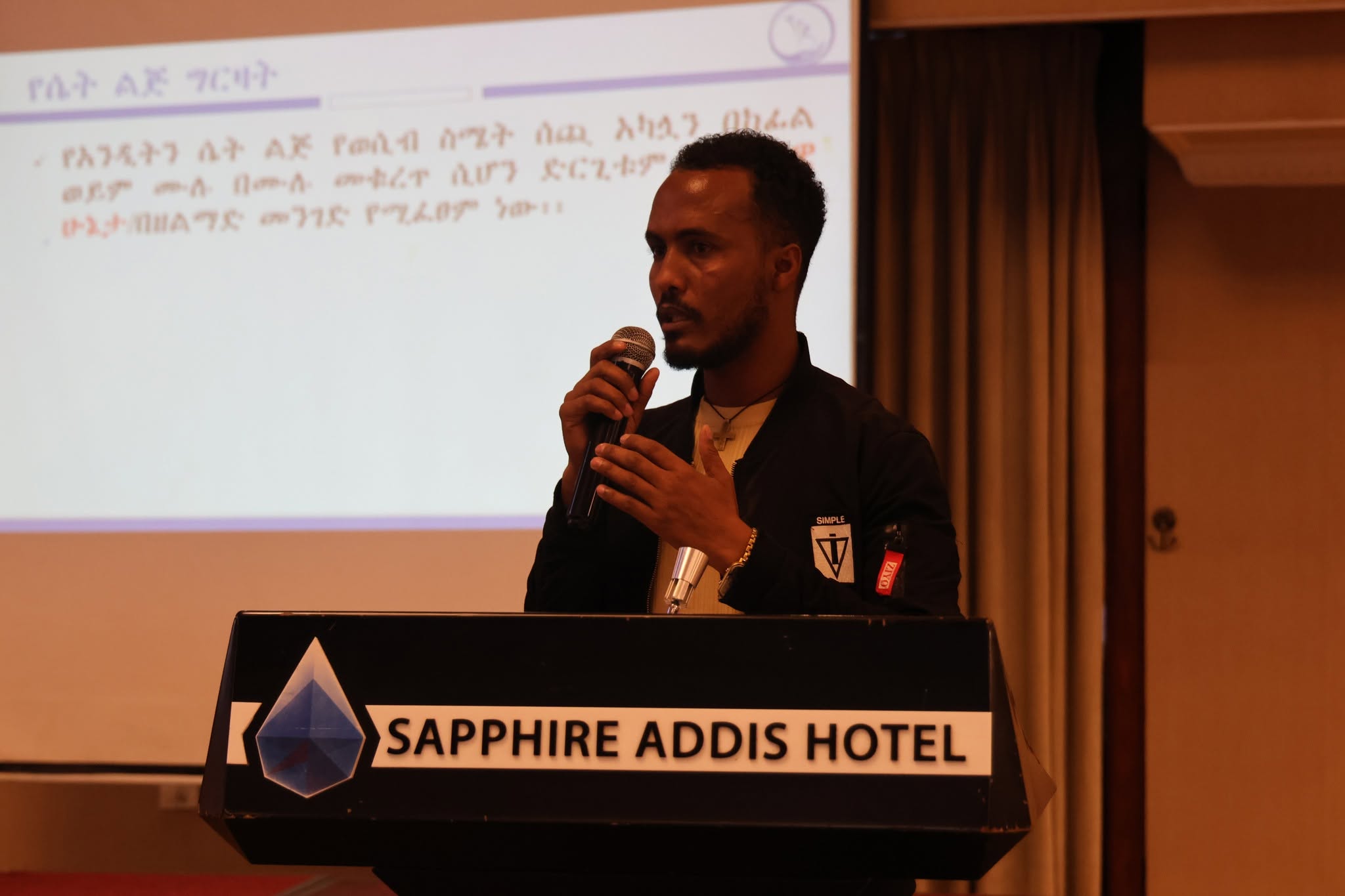
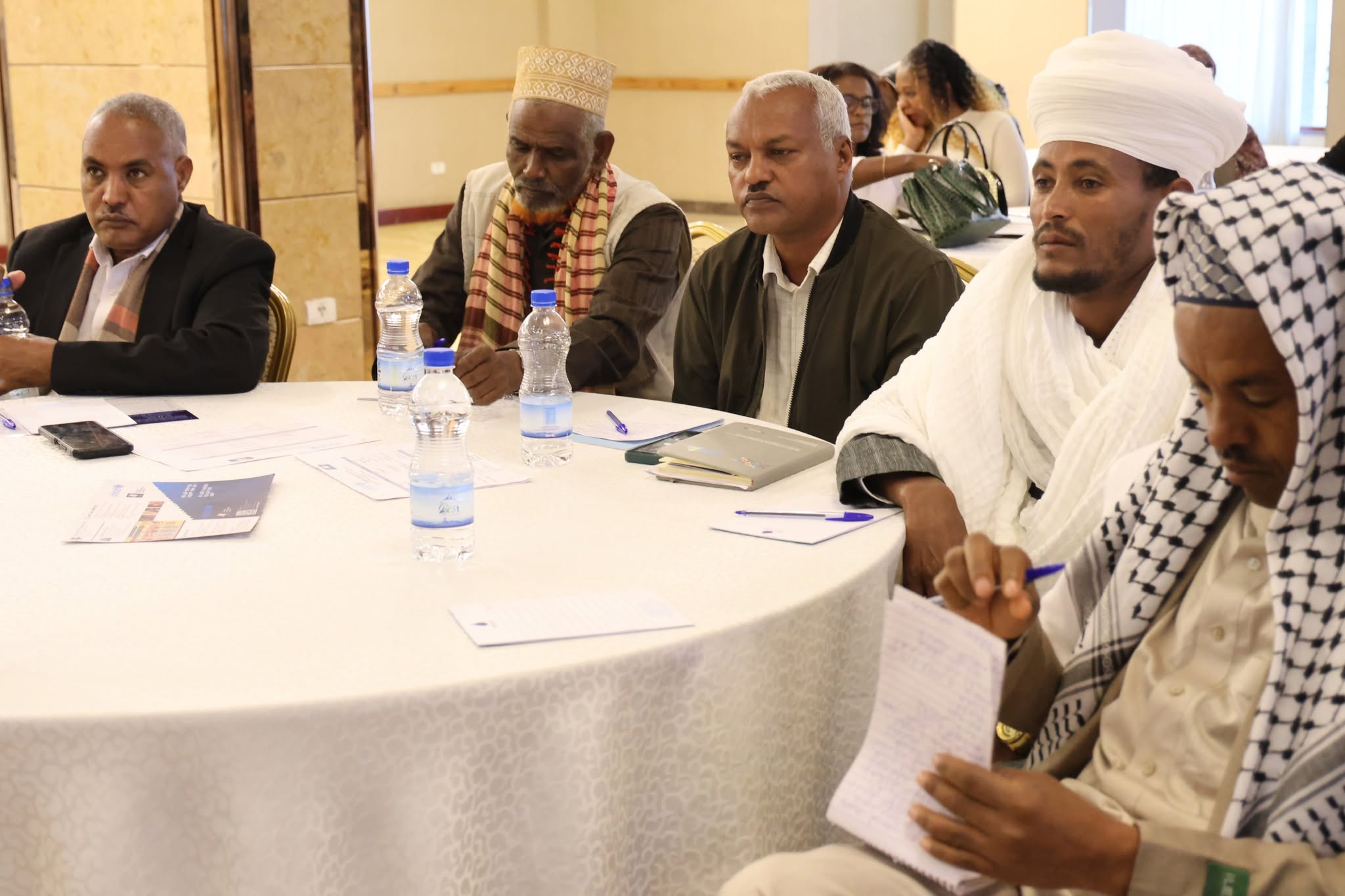
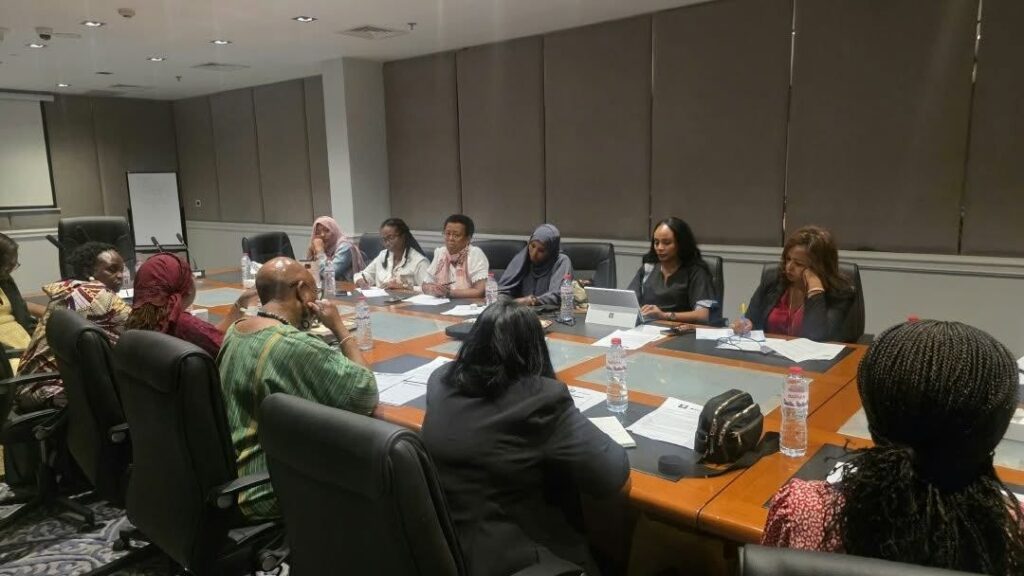
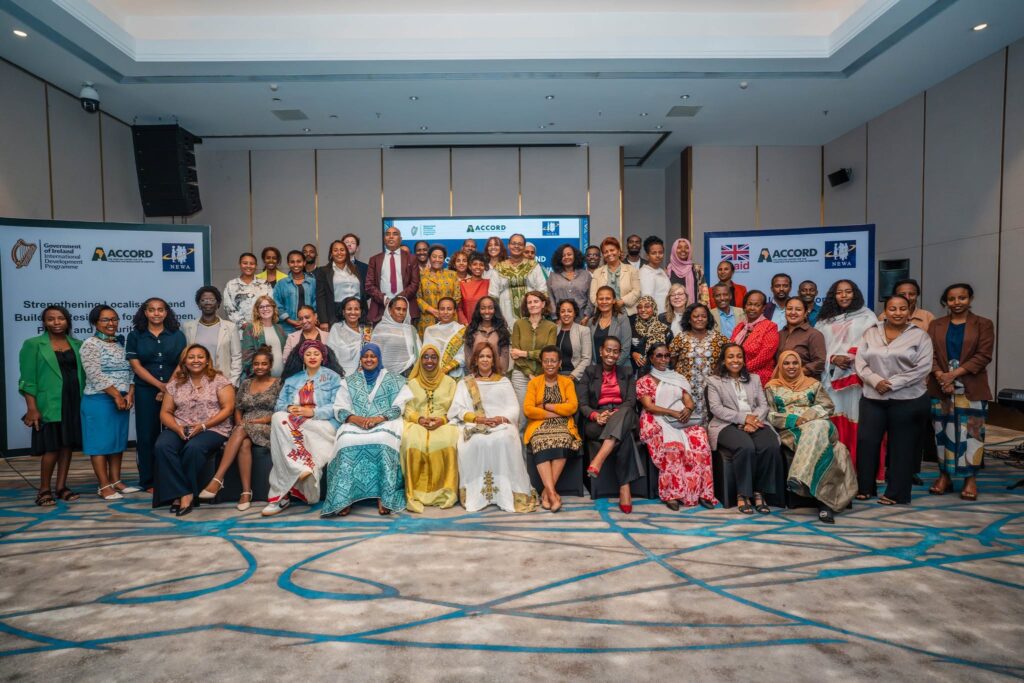
The landmark event, held under the theme “Empowering Communities, Recognizing Champions, Sustaining Change,” brought together government officials, religious leaders, civil society representatives, media professionals, and community advocates at the Sapphire Addis Hotel in Addis Ababa.
A National Movement Gains Momentum
The ceremony marked a significant milestone in the UNICEF-funded project “Empowering Women-Led Associations and Community Structures to Strengthen Grassroots and National Movements to End FGM, CM, and VAC.” Implemented by NEWA in partnership with the Ministry of Women and Social Affairs (MoWSA), Regional Bureaus of Women and Social Affairs, and regional subgrantee organizations — including the Amhara Women’s Association, Tarkanfi Sustainable Development, and WDRO — the project spans Amhara, Oromia, and Somali regions, alongside national-level advocacy.
Speaking at the ceremony, NEWA’s Executive Directress underscored the importance of community ownership in sustaining progress:
“The project capacitated us with different support, and now we are capable to take over, manage, and lead the work sustainably. These champions represent the heart of our movement — they are the reason communities are shifting from passive observation to actively challenging harmful practices and protecting their children.”
Honoring Champions of Change
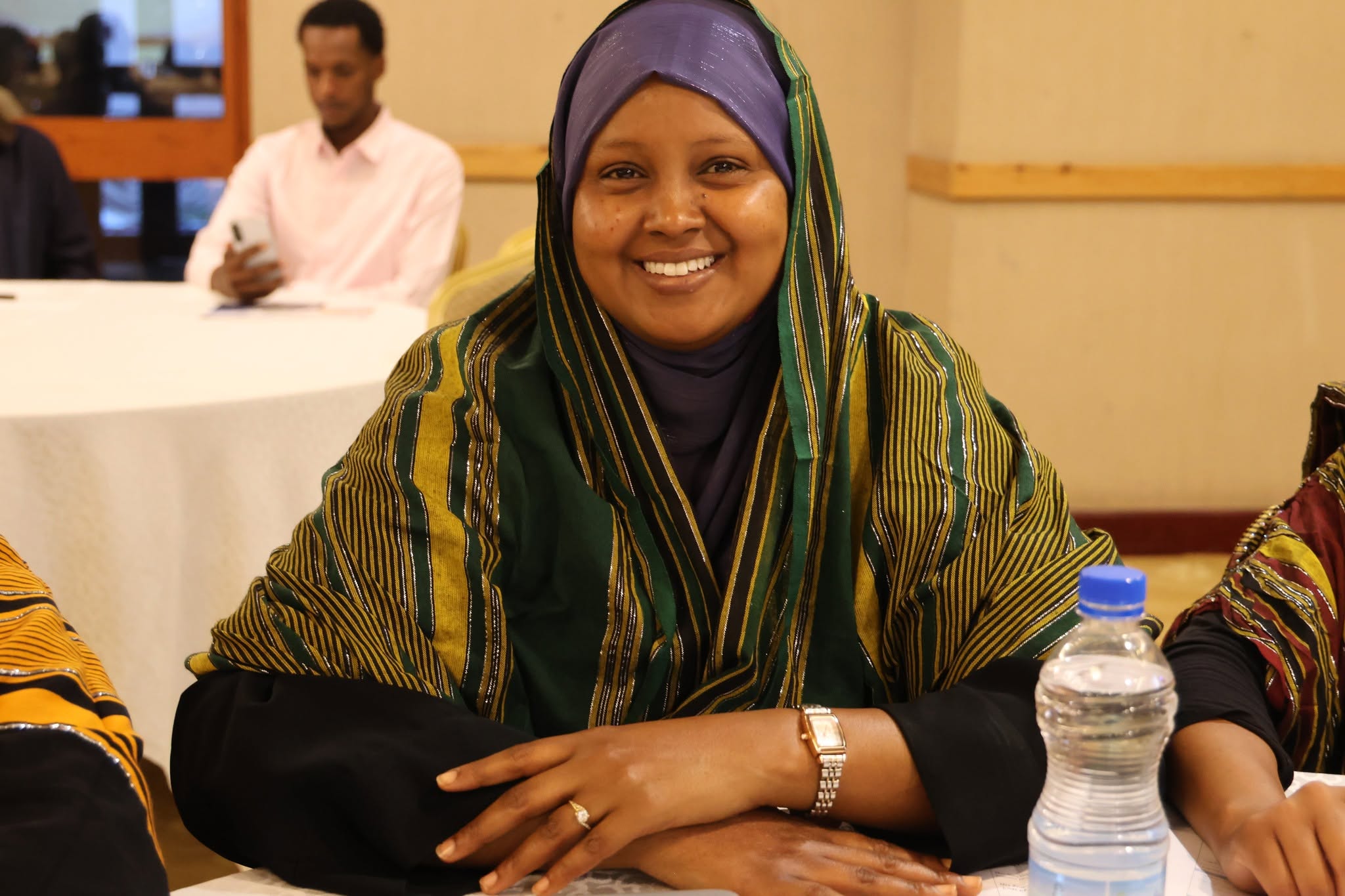
The six honorees — drawn from Debark (Amhara), Fentale (Oromia), and Babile and Jigjiga (Somali) — were selected through a rigorous three-step vetting process involving nominations, technical evaluation, and verification with Woreda Women and Social Affairs offices. Each received certificates, trophies, plaques, and recognition packages valued at over 230,000 ETB, in acknowledgment of efforts that included:
In addition, recognition was presented through trophies to three woredas—the Babile, Debark, and Fentale Woreda Women and Social Affairs Offices—while certificates were awarded to eleven key institutions, including the Ethiopian Orthodox Tewahedo Church, the Ethiopian Islamic Affairs Supreme Council, the Ethiopian Catholic Church, the Ethiopian Adventist Church, the Ethiopian Gospel Believers Council, the Ministry of Women and Social Affairs, UNICEF, the Amhara Women Association, Tarkanfi Sustainable Development, the Women Development and Resilience Organization, and the Ministry of Health. Preventing over dozens of child marriages across target regions
Saving hundreds of girls from FGM, with full achievement of targeted protections in the Somali region
Rescuing 26 girls from gender-based violence and harmful traditional practices
Stopping one community abduction and three attempted abductions by Unidentified Groups in Metahara woreda
Facilitating the return of 13 girls to school in Debark woreda after ending FGM cases in Community Watchdogs and Mobilization
Community watchdog committees have emerged as frontline defenders of children’s rights, driving local action by holding monthly coordination meetings and collaborating closely with traditional leaders (such as Aba Gadaa, Haadha Siiqqee, and Ugaas), religious figures, and girls’ clubs. Once resistant, trained religious leaders are now powerful allies, integrating the prevention of female genital mutilation (FGM) and child marriage into their teachings. This localized momentum was amplified by multi-regional caravans featuring edutainment, traditional art, and bilingual materials, which reached over 40,000 community members and key influencers across Debark, Jigjiga, Fentale, and Babile.
Impact, Media, and Strategic Lessons
Multilingual media content produced in Amharic, Afaan Oromo, and Somali has been deployed across regional stations to sustain community engagement and amplify protection messages. Reflecting on these milestones, project implementers highlighted several critical success factors: leveraging the moral authority of traditional and religious leaders, incentivizing positive deviance to establish new community standards, actively involving men and boys, combining formal services with watchdog networks, and maintaining confidential reporting mechanisms.
Challenges and Future Commitment
Despite significant progress, participants acknowledged ongoing operational hurdles, including limited government staff participation, conflict-related disruptions, persistent dowry practices driving early marriage in the Somali region, and vast geographic logistics. The event concluded with a strong forward-looking commitment: champions, government representatives, and partners formalized their dedication to sustaining these achievements by signing a Joint Protection Charter, cementing a shared, multi-sectoral resolve to end FGM, child marriage, and violence against children in Ethiopia.