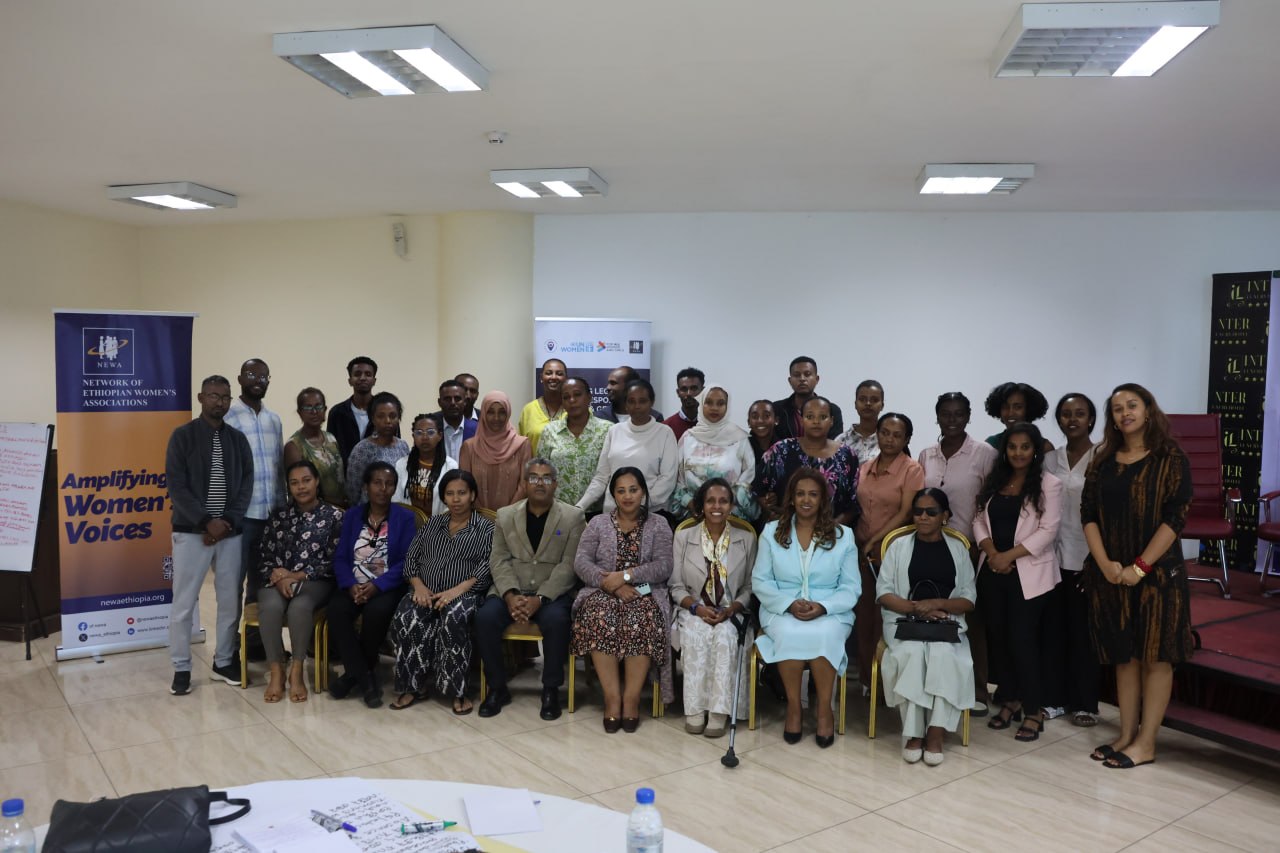
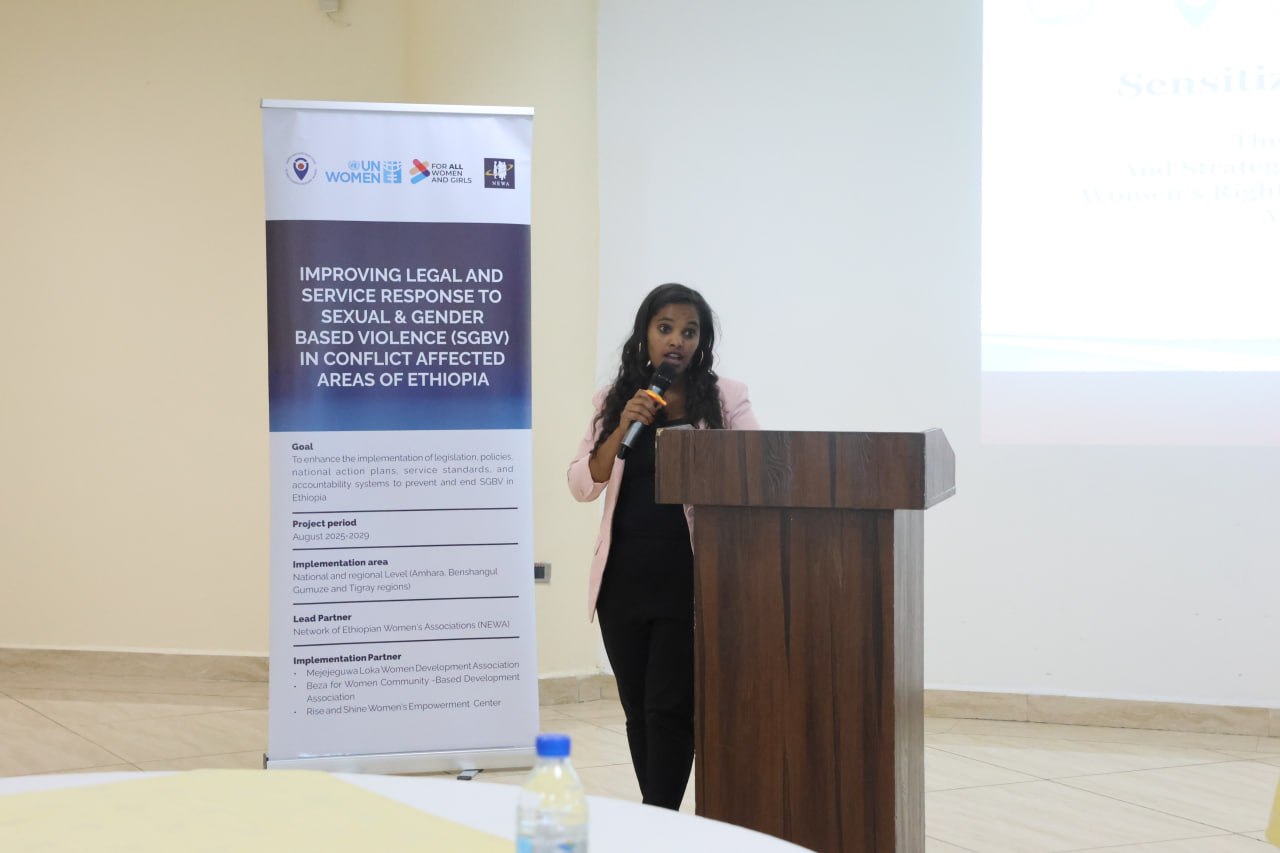
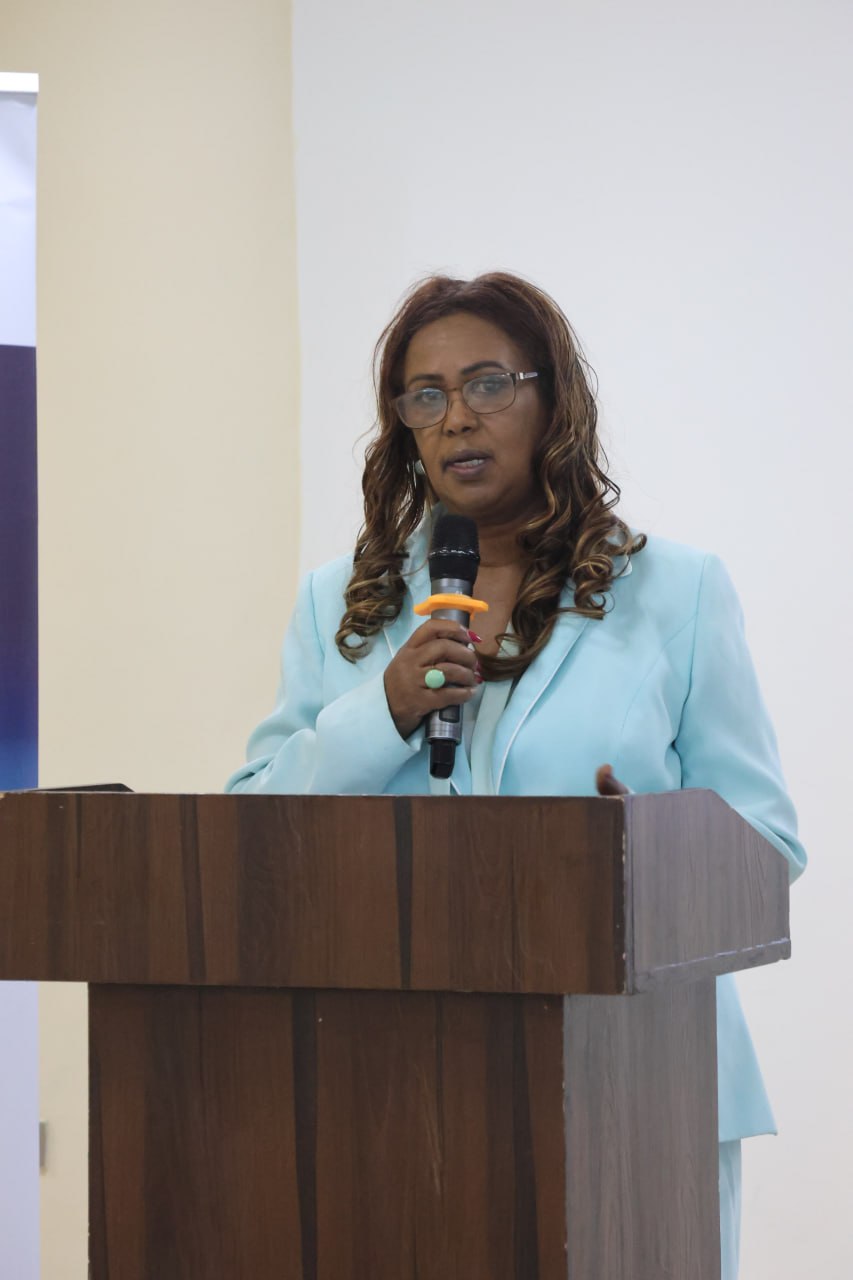
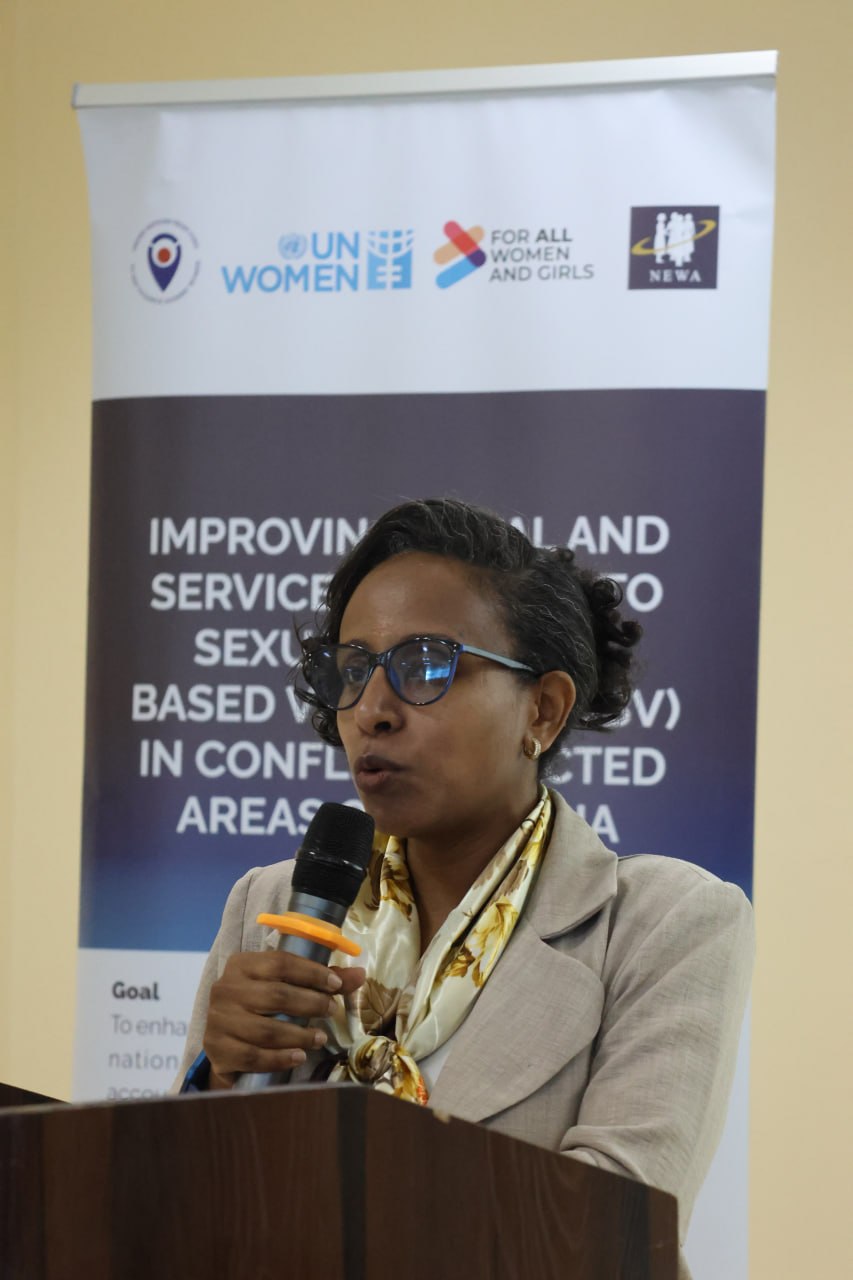
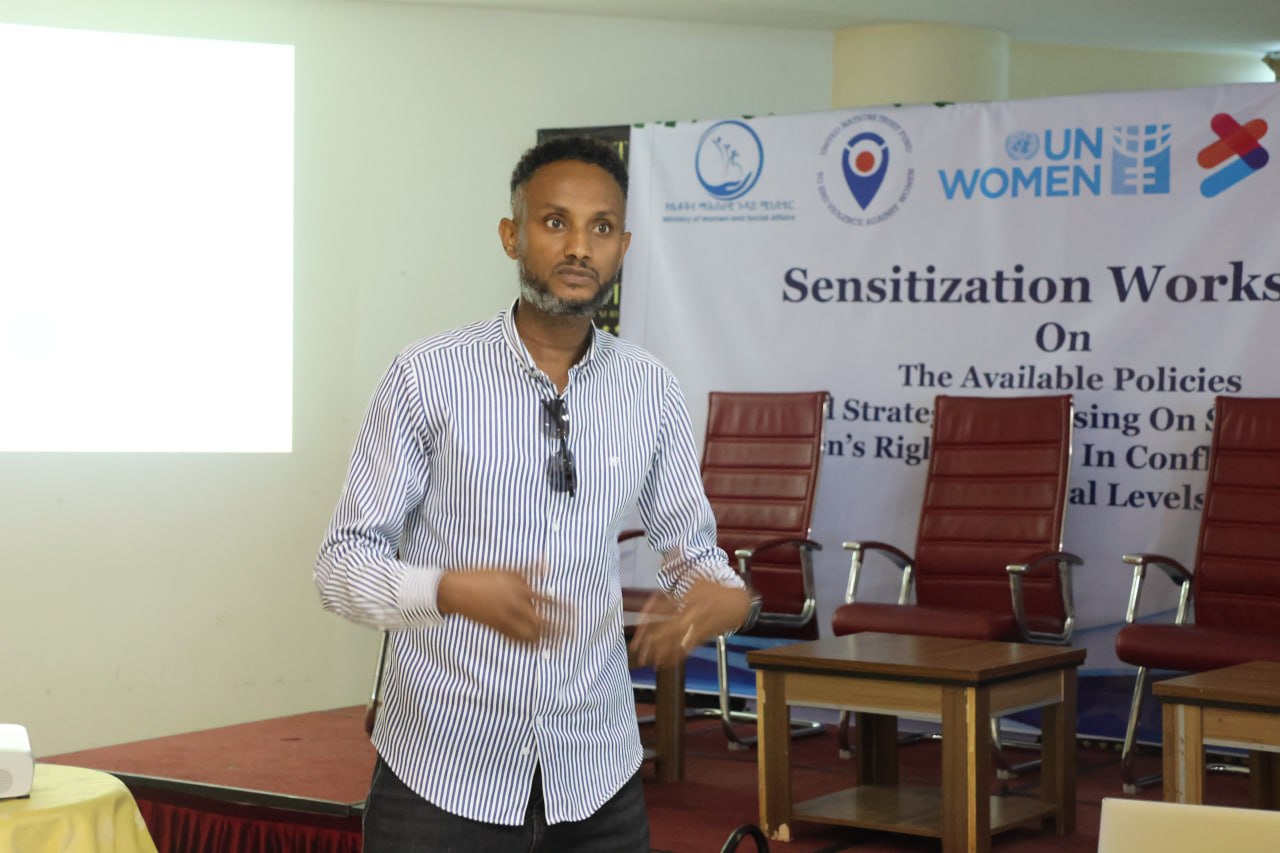
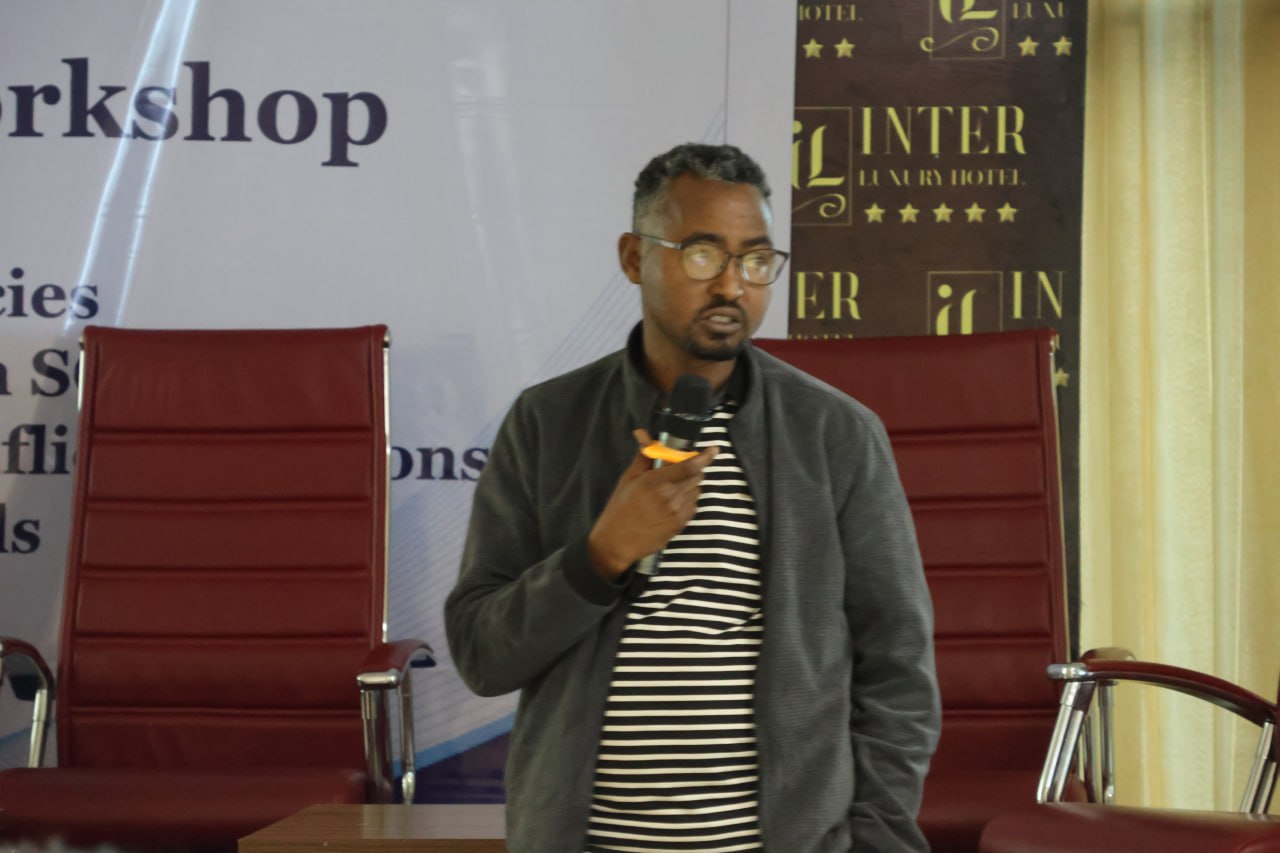
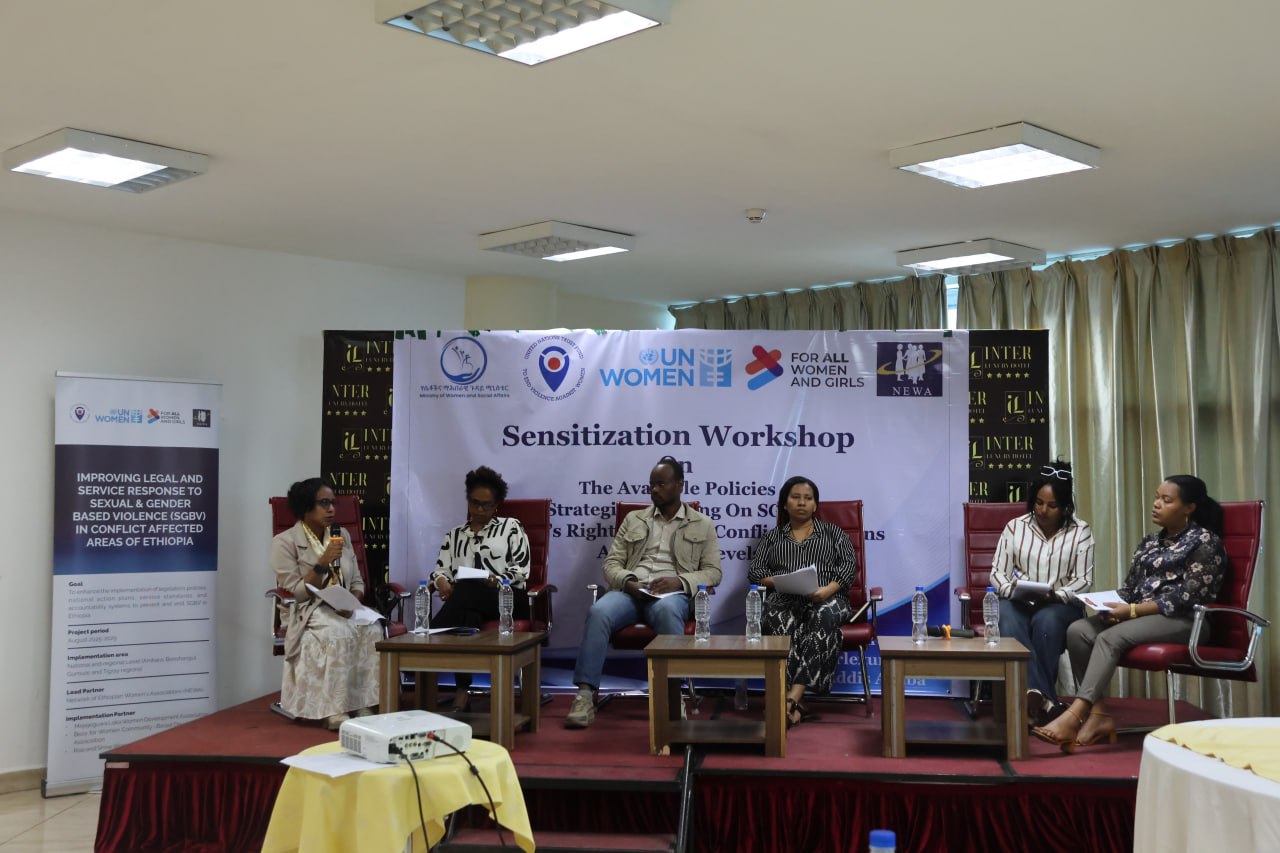
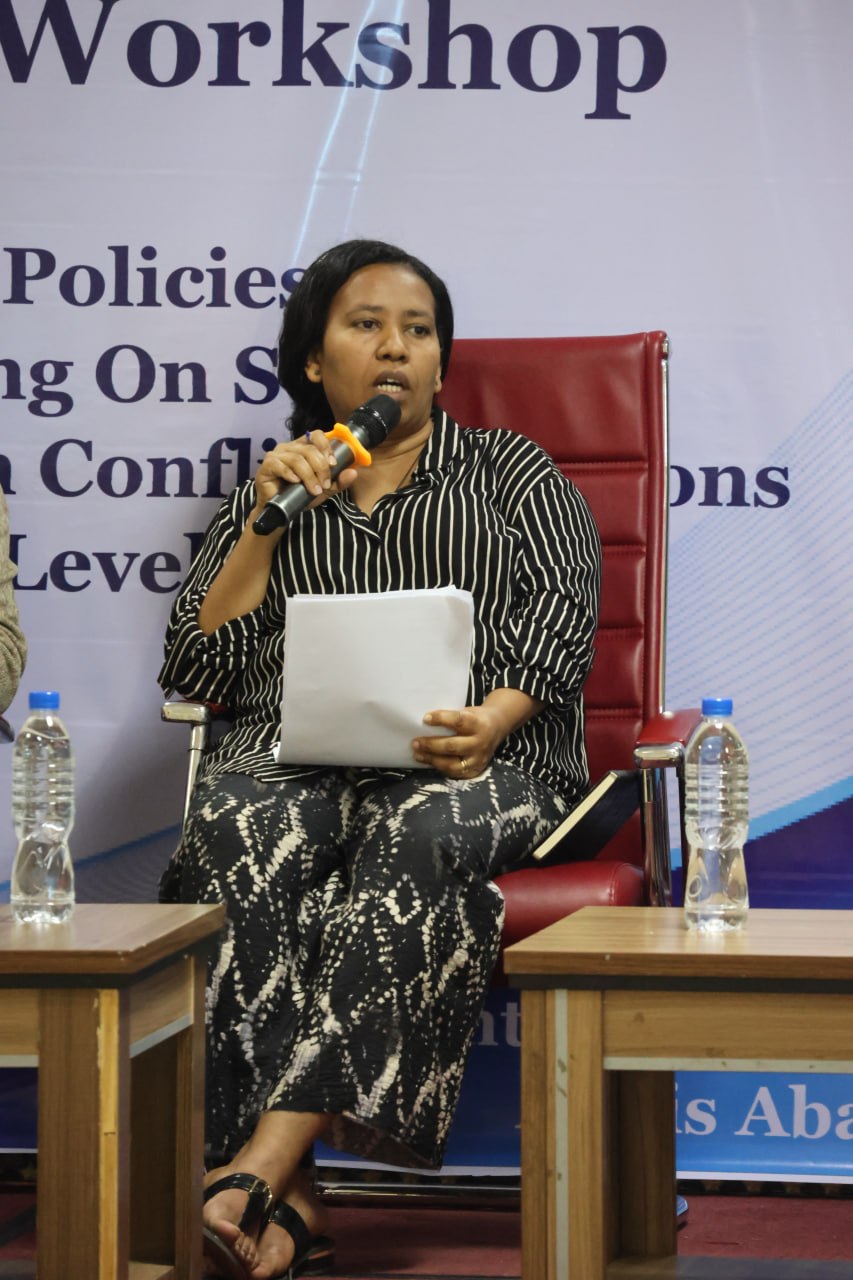
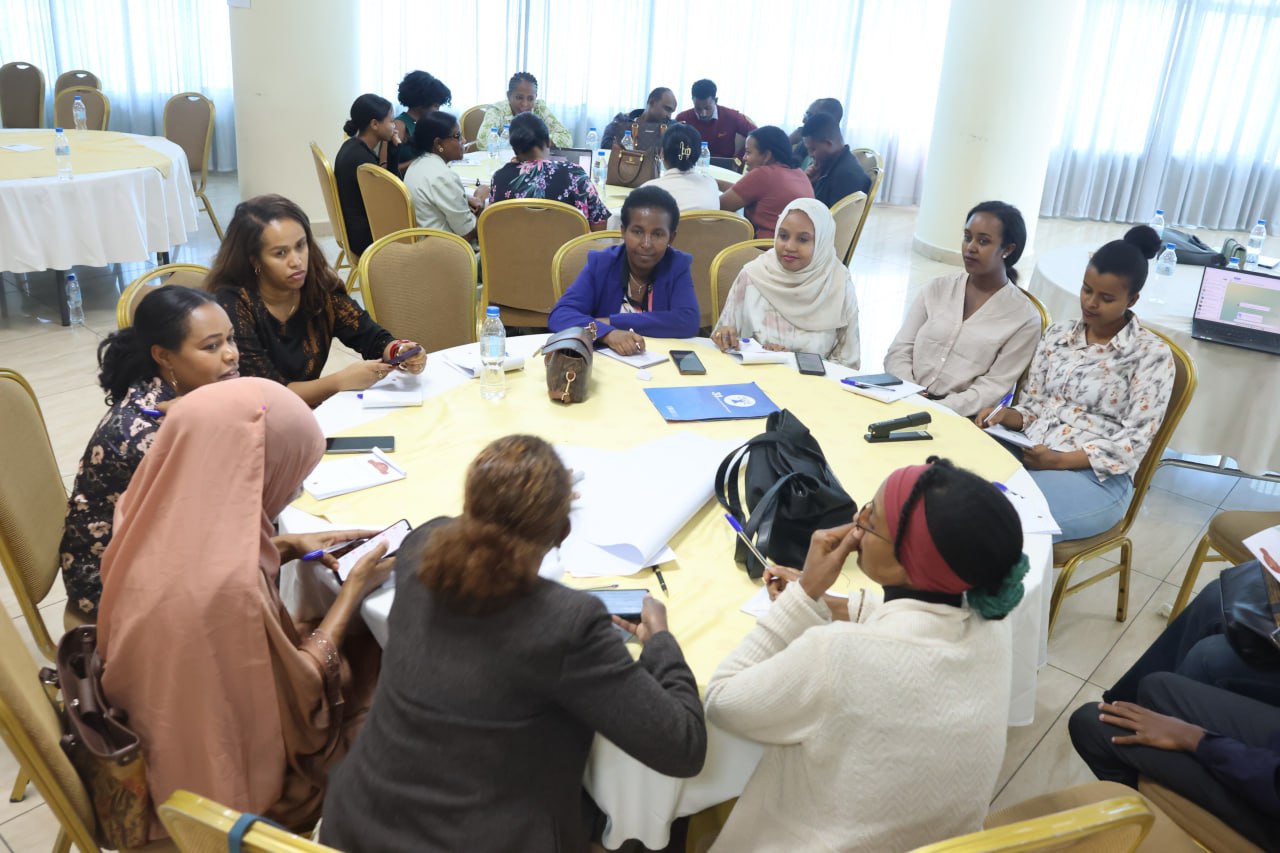
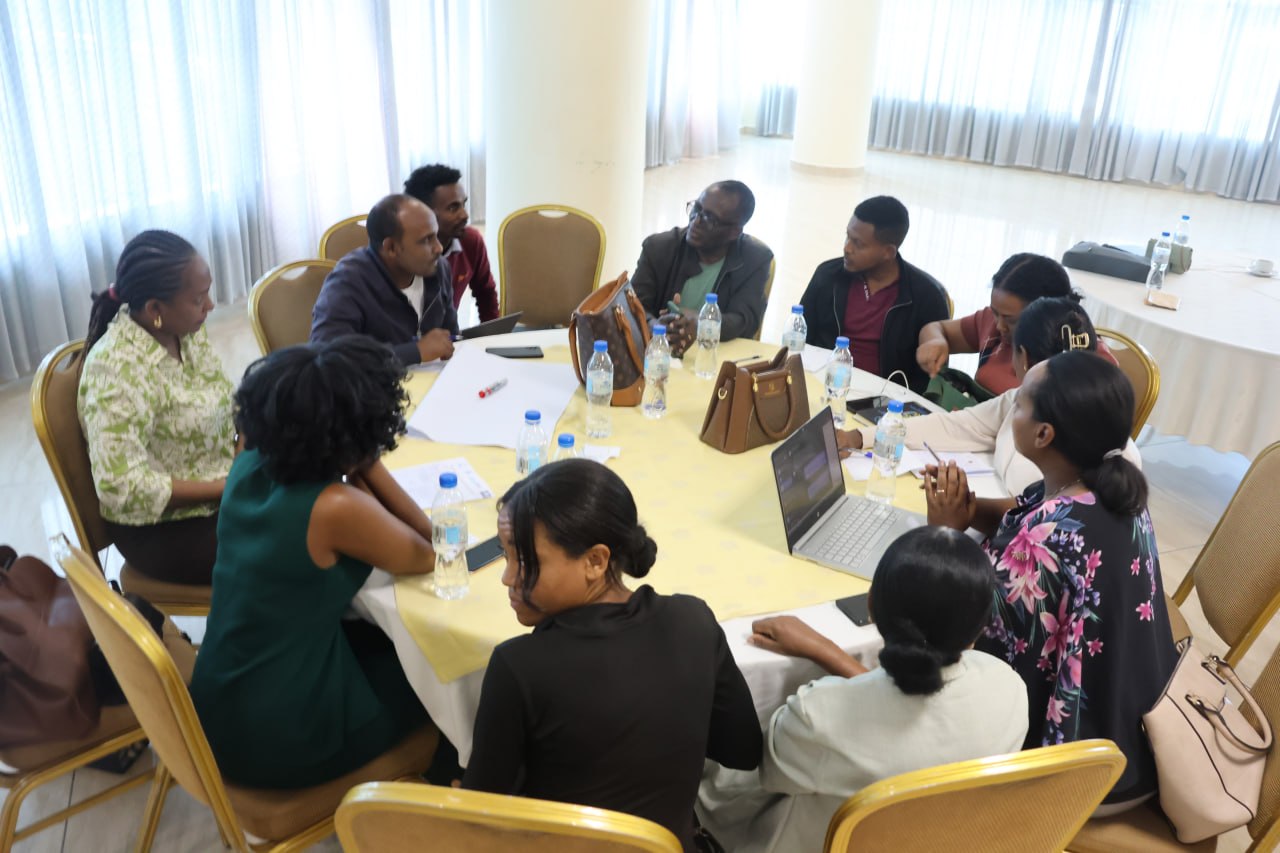
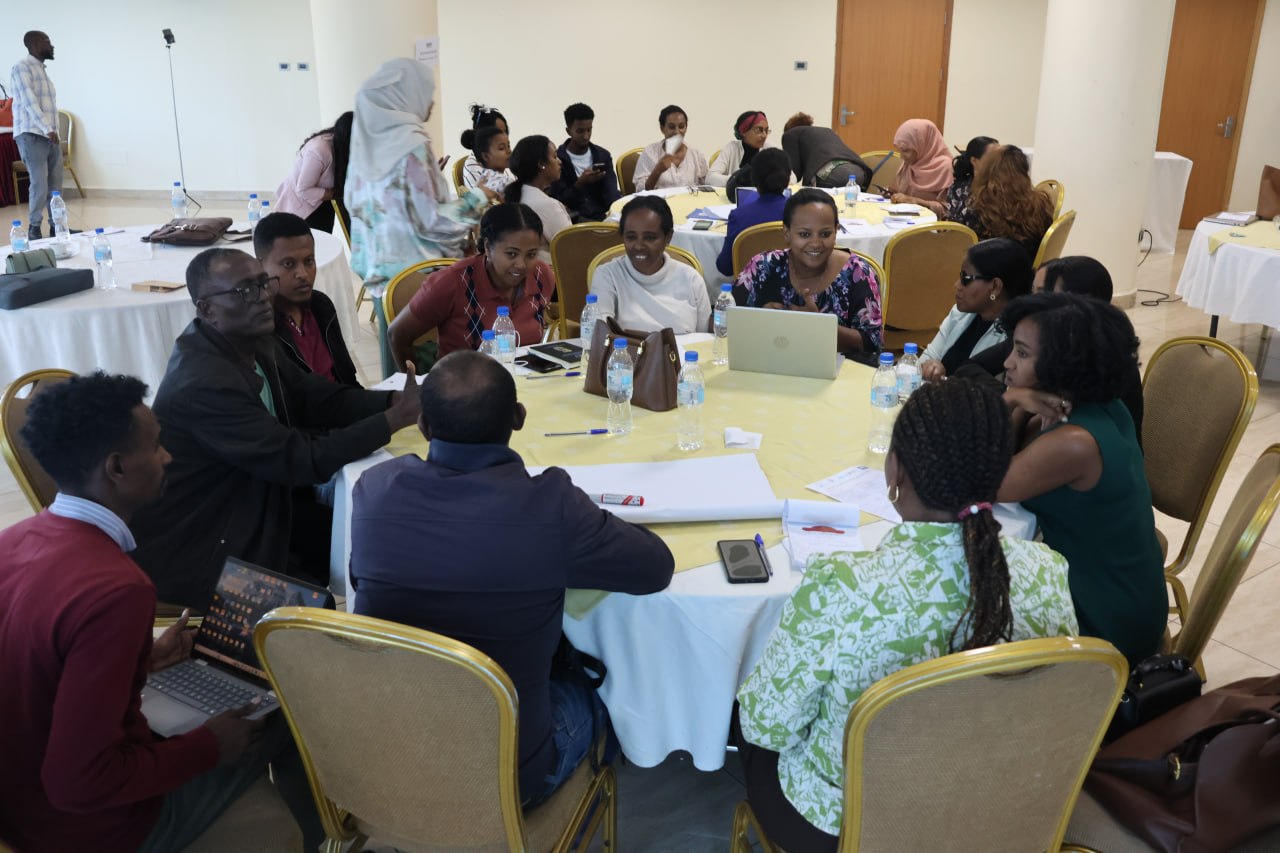
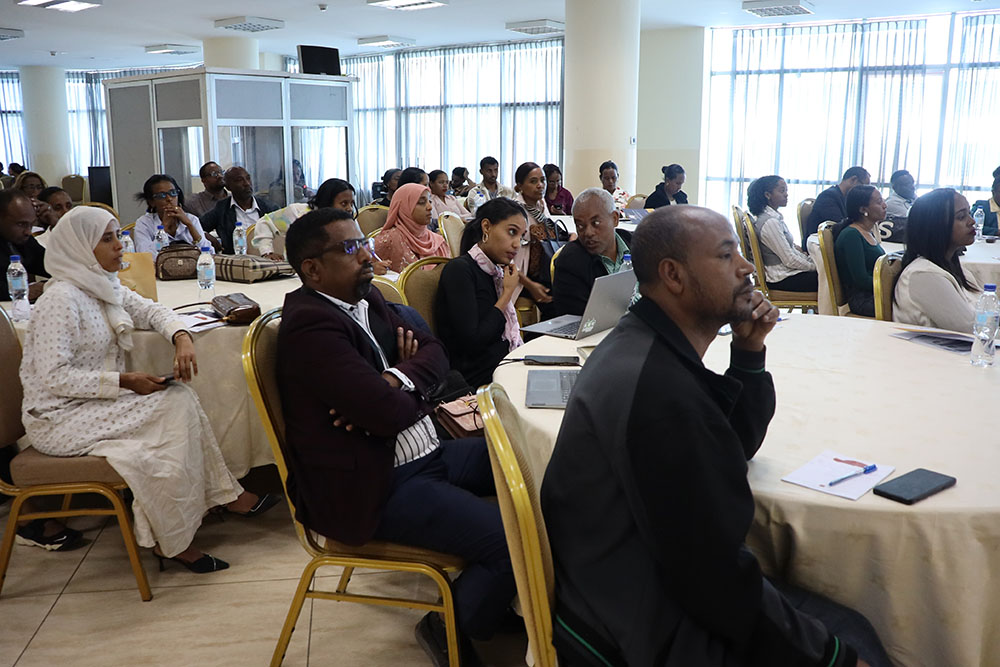
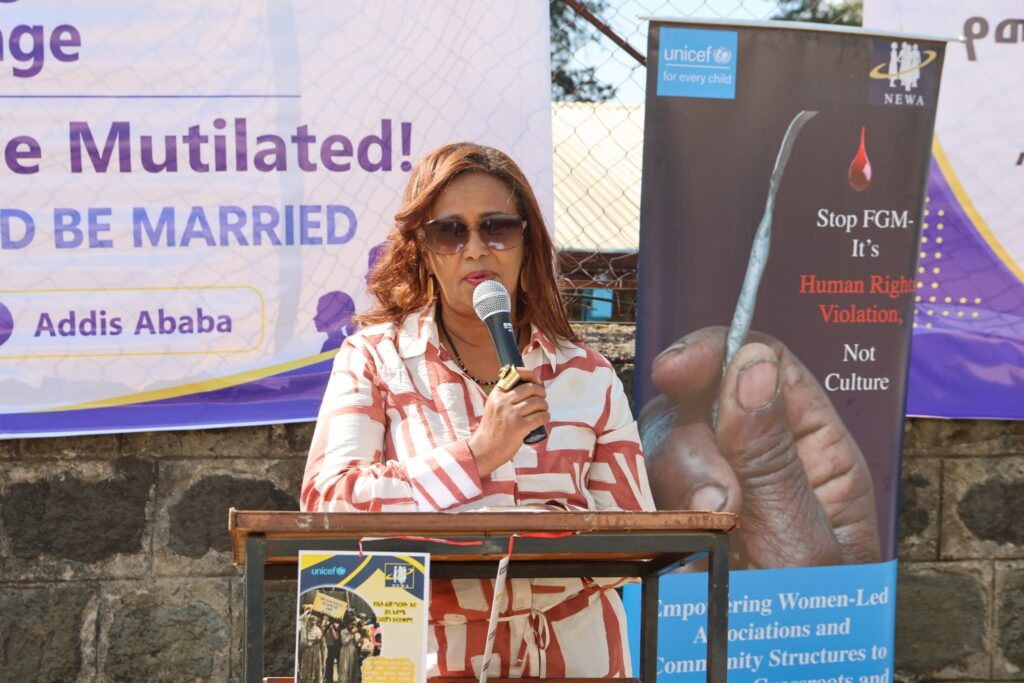
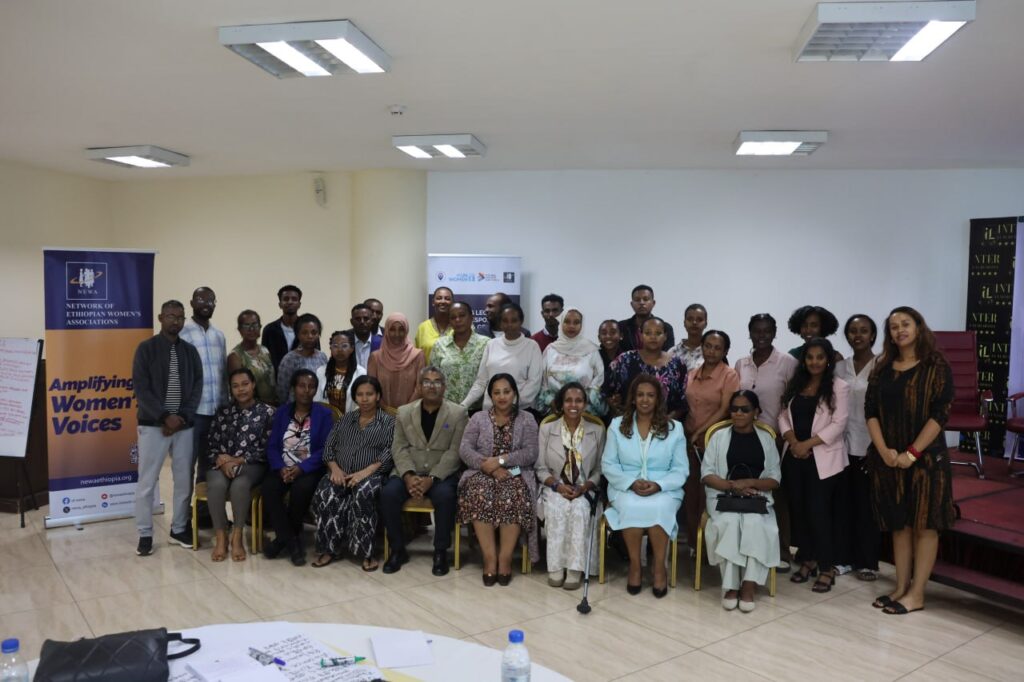
 On April 3, 2026, the Network of Ethiopian Women’s Associations (NEWA), in collaboration with the Ministry of Women and Social Affairs and with support from the UN Trust Fund to End Violence against Women, organized a one-day national sensitization workshop on policies and strategies addressing Sexual and Gender-Based Violence (SGBV) and women’s rights in conflict situations, held at Inter Luxury Hotel, Addis Ababa, Ethiopia. The workshop brought together over 40 participants from government institutions, civil society organizations, development partners, and women’s rights advocates to conduct a structured analysis of policy and implementation gaps, assess institutional accountability, and generate evidence-based recommendations to strengthen responses to Sexual and Gender-Based Violence (SGBV) and women’s rights in conflict situations.
Presentations from the Ministry of Women and Social Affairs and Ministry of Health highlighted progress and ongoing challenges in addressing SGBV, followed by a high-level panel discussion featuring the Ministry of Women and Social Affairs and Ministry of Health, Ministry of Justice, Ethiopian Women Lawyers Association, and Association for Women’s Sanctuary and Development. The panel fostered a dynamic dialogue on policy implementation gaps, coordination challenges, and institutional accountability.
Participants then engaged in focused small-group discussions on legal and policy response and service delivery systems. In the legal and policy track, discussions highlighted gaps requiring policy reform, ratification, and improved enforcement, while identifying areas where existing laws are not effectively implemented. Participants also examined practical challenges faced by institutions and proposed recommendations to strengthen the responsiveness of legal frameworks. In the service delivery track, participants assessed coordination across federal, regional, and local levels, identifying weaknesses in referral systems, multi-sector collaboration, and accountability mechanisms, as well as gaps in infrastructure, budget, institutional commitment, and service provider capacity.
The workshop generated concrete, actionable recommendations to strengthen legal and institutional frameworks, improve coordination and accountability, and enhance survivor-centered services—particularly in conflict-affected areas.
This national dialogue marks an important step toward strengthening collective action, improving policy implementation, and ensuring better protection for women and girls affected by violence in Ethiopia.