November 2025

NEWA in partnership with IPPF & UNTF Hosts National Launch Workshop for the 34th Global 16-Days Campaign

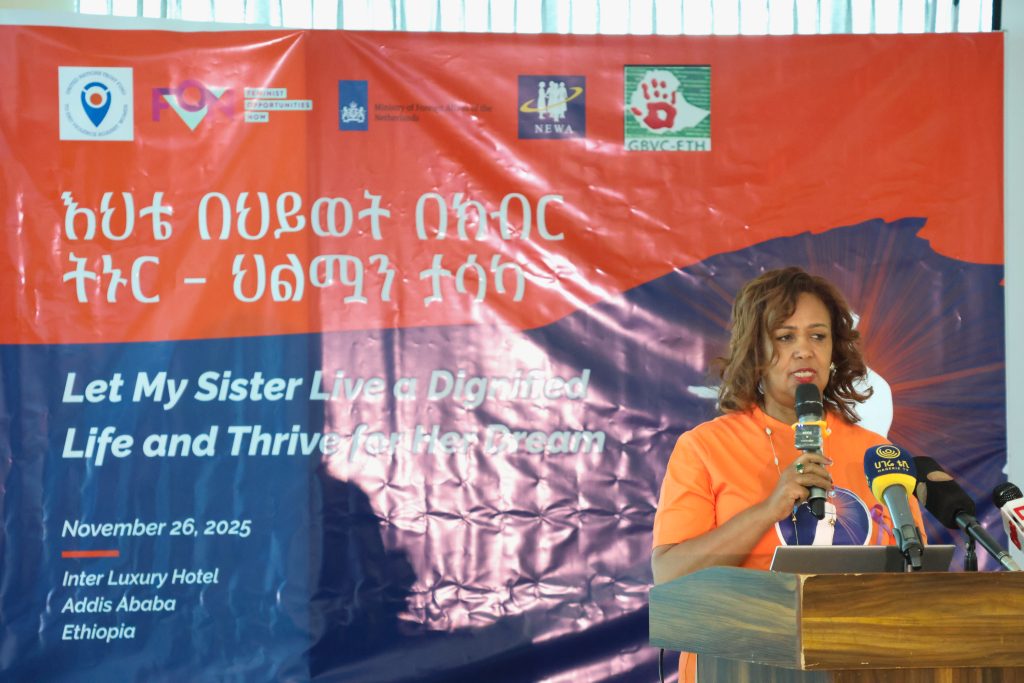
NEWA, in partnership with IPPF & UNTF Hosts National Launch Workshop for the 34th Global 16-Days Campaign In partnership with the International Planned Parenthood Federation (IPPF) and the United Nations Trust Fund (UNTF), NEWA has organized a national launching workshop of the to mark the global observance of the campaign for the 34th time under the international theme, “UNITE to End Digital Violence Against All Women and Girls.” Ethiopia joins the global movement for the 20th year, commemorating the national theme,”A Society with Zero Tolerance for Violence for Generation Building!!” (ጥቃትን የማይታገስ ማህበረሰብ ለትውልድ እንገንባ!!”).Aligned with these global and national efforts, NEWA, and anti-Gender-Based Violence Campaign Ethiopia (GBV-CE), has officially launched its advocacy and awareness movement under the theme, “Let My Sister Live a Dignified Life and Thrive for Her Dream.” “እህቴ በህይወት በክብር ትኑር ህልሟን ታሳካ” This campaign has called upon all sectors to work together in addressing the root causes of gender-based violence and to promote women’s dignity, security, and equality.On November 26, 2025, a half-day launching of the 16 Days of Activism event took place at Inter Luxury Hotel, Addis Ababa. The program brought together senior government officials, development partners, Women right organizations, and members of the diplomatic community to reaffirm shared priorities, strengthen coordination, and advance collective action toward creating a suitable and violence free environment for women and girls.

NEWA in partnership with IPPF & UNTF Hosts National Launch Workshop for the 34th Global 16-Days Campaign Read More »

NEWA in collaboration with UNICEF & FON has brought together government structures and Religious leaders

NEWA in collaboration with UNICEF & FON has brought together government structures and Religious leaders NEWA in collaboration with UNICEF & FON has brought together government structures and Religious leaders at Aya Hotel on November 19 for a full-day interface meeting dedicated to Eliminating FGM in Ethiopia.A powerful lineup of research findings, discussions, and collaborative commitments—all aimed at creating lasting change.Together, we move toward a safer, more equitable future for women and girls.

NEWA in collaboration with UNICEF & FON has brought together government structures and Religious leaders Read More »

WPS Advocacy Officer ( Female Applicants only) – (CLOSED)

Position Title: WPS Advocacy Officer ( Female Applicants only)  – (CLOSED)Location: Addis Ababa, EthiopiaSalary: As per NEWA’s salary scaleReporting to: Program Manager Contract Duration: 1 year (with possibility of extension)Number of Positions: One (1)Posting Date: Nov 12, 2025Application Deadline: Nov 26, 2025 Organizational Background The Network of Ethiopian Women’s Associations (NEWA) is a non-partisan, non-governmental network organization established in 2003, and currently NEWA has 50-member local organizations and associations seeking to create a stronger advocacy voice for women’s advancement. NEWA has a twofold goal: synchronizing the individual activities of women’s associations into an integrated collective effort and synergy to realize their common aspirations for gender equality; and launching a vigorous public campaign of promotion, advocacy, and lobbying for women’s rights. Position Overview  The Network of Ethiopian Women’s Associations (NEWA) is seeking a dynamic and committed WPS Advocacy Officer to lead and support NEWA’s Women Peace and Security /WPS/ advocacy initiatives. The WPS Advocacy Officer will work collaboratively with the NEWA team, members, and partners to promote gender equality, women’s rights, and inclusive policies from the lense of WPS. This role involves building partnerships, leading campaigns, and engaging stakeholders to drive meaningful change in the lives of Ethiopian women and girls. The postion holder will represent NEWA in different platforms related to peace and security, coordinate and lead NEWA’s peace structures found at different level.   Key Responsibilities Advocacy and policy influencing Represent the organization in meetings, coalitions, and forums (e.g., legislative desks, UN, AU). Develop policy briefs, position papers, gender alerts, and media materials to shape decisions and public discourse. Design and execute advocacy strategies targeting national/subnational governments, civil society, media, and private sector. Monitor policy developments and accomplishment and contribute to NEWA’s official responses and positions on national gender-related issues particularly on peace and security agenda. Communication and Messaging Develop impactful communication materials, including factsheet, position statements, newsletters, policy briefs and press releases on gender and human rights issues. Engage with media outlets and digital platforms to raise public awareness of NEWA’s work and amplify women’s voices. Provide regular reports and updates on advocacy efforts to NEWA leadership and partners. Work in close collaboration with NEWA’s communication team, Program Manager and Executive Directress Partnership and Networking Build and maintain strong relationships with partners, stakeholders, and networks in the fields of human rights, justice, democracy, and gender equality. Design and implement targeted advocacy campaigns that address policy and structural barriers to women’s inclusion and promote social equity. Represent NEWA at meetings, conferences, and public forums at both national and regional levels. Support national policy engagement, including advocacy for the meaningful inclusion of women in dialogue and peace processes. Capacity Building and Training Conduct training sessions and capacity-building workshops for NEWA staffs, members and stakeholders on women’s rights, advocacy, and gender-responsive policy. Mentor and support local advocates and emerging women leaders, particularly at the regional level. Project Management and Reporting Integrate advocacy during project design and implement advocacy activities at different level in collaboration with program team Develop work plans and manage budgets for advocacy initiatives; provide monthly/quarterly reporting. Fundraising and Sustainability Support Contribute actively to fundraising initiatives that support and align with NEWA’s advocacy goals and strategic priorities. Assist in the development of grant proposals, concept notes, and other resource mobilization efforts to enhance the organization’s financial sustainability. Required Qualifications Education:  Bachelor’s or Master’s degree in communications, Peace and Security, public relations, gender, social studies, language and literature, or a closely related field. Experience: Bachelor’s degree: 7 years of relevant experience. Master’s degree: 4 years of relevant experience. Proven track record in advocacy, women peace and security, gender equality, or women’s rights programming within a fast-paced, dynamic environment. Demonstrated success in designing and implementing advocacy strategies and public campaigns. Have excellent understanding about the women peace and security landscape Experience in research, policy analysis, and producing advocacy materials. Prior experience engaging with government, coalitions, and UN/AU bodies Experience managing media relations and cultivating relationships with journalists and influencers. Proficiency in Microsoft Office and other relevant communication and content development tools. Willingness and ability to travel as needed.  Skills and Competencies Strong written/oral communication; storytelling; public speaking. Excellent networking, diplomacy, and cultural sensitivity. Extensive experience in media relations, advocacy, crisis communication, and reputation management. Proficient in using communication platforms including social media management tools, content management systems, and digital research tools. Strong leadership and project management capabilities, with the ability to juggle multiple priorities and meet deadlines. Exceptional interpersonal skills to effectively build and maintain professional relationships. Creative and strategic thinker with the ability to design innovative communication strategies. Strong organizational and analytical skills for effective decision-making and problem-solving. Competencies and values: Committed to Gender equality Professionalism Integrity Teamwork and respect for diversity Commitment to continuous learning Planning and organizing Effective communication Flexibility and adaptability How to Apply Interested and qualified applicants should send a CV and cover letter via email to newarecruitments@gmail.com with the subject line: “Application for WPS Advocacy Officer.” Only shortlisted candidates will be contacted. Only women candidates should apply to this position!

WPS Advocacy Officer ( Female Applicants only) – (CLOSED) Read More »

A Story of Empowering Girl: A Journey of Transformation

Tinsae Estifanos, 18, reflects on her journey, highlighting the profound impact of the human rights training on her education and life, provided by NEWA with support from the Malala Fund. I am a student, where I take pride in excelling in my studies. Both of my parents are high school teachers who have instilled in me the value of learning and the power of knowledge. Their dedication to education has inspired me to pursue excellence in my academic journey. In addition to my studies, I actively participate in various extracurricular activities. In the future, I aim to become a successful software designer and a women’s rights lawyer. This dual career path reflects my commitment not only to technology and design but also to social justice and advocacy. As the sun rises, I dream of a world where every girl receives an education, free from the chains of sexual violence. Girls face barriers to education, leadership, and decision-making. But through support systems and educational programs, girls are finding their voices and standing up for their rights. My journey began when I was given the opportunity to participate in a life-changing trainings and workshops organized by NEWA, supported by the MALALA Fund. This experience not only opened my eyes to the power of knowledge and collective action but also inspired me to take meaningful steps in my own community. As a high school student and the leader of my school’s girls’ club, I was both excited and nervous when I learned I had been selected for the training. I knew this was a chance to gain valuable insights that could help me improve the club and make a difference in the lives of my peers. The training brought together students from various backgrounds and knowledgeable trainers who taught us about national and international laws protecting girls and women’s rights. Before attending, my understanding of these laws was rudimentary, but the trainers elucidated them in ways that made them relevant to our daily lives. We also discussed the challenges girls face in education, leadership, and personal development. One of the most impactful moments came during an activity where we were asked to identify the major challenges we face as girls. This exercise forced us to reflect on our personal struggles and the systemic barriers that hold us back. As we shared our stories, I realized I wasn’t alone, many of us faced similar obstacles. This sense of unity was empowering. We left the session feeling supported, knowing that there were organizations and individuals committed to standing with us and helping us find solutions. The workshop wasn’t confined to one region. Similar sessions were held across Ethiopia, and later, representatives from each region gathered in Addis Ababa for a larger conference. There, we shared our experiences, discussed our findings, and worked together to draft a collective conclusion. It was incredible to see how widespread these issues were and how girls from diverse backgrounds could come together to advocate for change. By the end of the conference, I felt a renewed sense of confidence and responsibility. I realized that knowledge is a powerful tool, and with it, I could help empower other girls in my school and community. When I returned to school, I knew I had to act. The girls’ club at my school had existed for some time, but it was inactive and disorganized. Many students didn’t see its value, and participation was low. But I saw its potential. I began by sharing what I had learned at the training and consultation workshop with the club members. We discussed our rights, leadership, and the importance of collective action. Many of the girls were surprised to learn about the legal protections available to them. Some had faced challenges but didn’t know they had rights that could protect them. By educating them, I hoped to build their confidence and encourage them to stand up for themselves and others. Next, I focused on revitalizing the club. I proposed new activities, such as discussion sessions, mentorship programs, and awareness campaigns. These initiatives aimed to make the club more engaging and relevant to the students. I also encouraged more girls to take on leadership roles, fostering a sense of teamwork and shared responsibility. Inspired by the workshop, I encouraged everyone to share their concerns. We identified issues like lack of confidence, limited leadership opportunities, and gender-based challenges. Together, we brainstormed solutions and ways to address these problems. I also worked on building connections with teachers and school administrators to gain their support. I explained how an active girls’ club could benefit the entire school community. Thankfully, many teachers were supportive and offered to help facilitate events and discussions. Their encouragement was invaluable. Slowly but surely, I began to see a change. More students joined the club, and conversations about girls’ empowerment became more common. While there’s still much work to be done, I’m proud of the progress we’ve made. This experience taught me that change starts with small steps. By taking action, even in modest ways, we can create a ripple effect that inspires others and transforms our community. Looking to the future, I’m hopeful that the seeds of change planted during the workshop will grow into a movement that empowers girls everywhere. I envision a world where educational opportunities for girls are not limited by societal norms or economic barriers. I hope to collaborate with local organizations to create programs that provide support, mentorship, and resources for girls struggling to access education. By fostering a supportive environment, we can encourage more girls to stay in school and achieve their dreams. In conclusion, NEWA with the supported by MALALA Fund, the trainings and consultation workshop was a transformative experience that equipped me with knowledge, confidence, and a sense of purpose. I’m deeply grateful to the organizers, facilitators, and my fellow participants for their support and inspiration. I’m also thankful to my school, family, and friends for believing in me. Together, we can continue to advocate for our

A Story of Empowering Girl: A Journey of Transformation Read More »

Sara’s Success Story

Sara Ali, a 16-year-old girl in the 10th grade at Gemeharu Secondary School. She was born in the Banishangul Gumuz region of Ethiopia in Assosa city. Her favorite subjects are civics and mathematics. She has always dreamed of becoming a Psychiatry. She enjoys praying and spending time with her family. Growing up in a family of farmers, her parents valued education but faced significant economic challenges that made it difficult to prioritize schooling for their children. Sara is the second of four siblings, and like many girls in her community, she encountered numerous obstacles on her path to education. From a young age, Sara showed a keen interest in learning. She would often accompany her older brother to school, listening intently as he shared stories about his lessons. However, when it was time for Sara to enroll in school, her parents hesitated. The family struggled to make ends meet, and they believed that investing in a girl’s education was less important than that of a boy. Moreover, the cultural norms in her village posed additional barriers. Many families believed that girls should marry young and focus on household responsibilities rather than pursue education. Sara faced pressure from her peers and even some family members who questioned her commitment to schooling. Despite these challenges, Sara remained focused on her studies. She would often study late into the night by candlelight, determined to keep up with her lessons. Her teachers recognized her potential and encouraged her to continue, but the societal pressures weighed heavily on her. When Sara was in the 10th grade, her family faced a significant crisis. Her father fell ill and could no longer work on the farm. The family’s financial situation deteriorated, and Sara’s parents considered withdrawing her from school to help support the family. On her own; “Although I wanted to learn, my family did not encourage me to study. They help my brother follow his studies, but they don’t encourage me. My father was ill and I had to leave school to support the family. Also, they were going to marry me a rich man, I didn’t know how to convince my family that I should continue my education, and I didn’t know about my rights.”  When was Sara feeling desperate, NEWA provided a two days human rights training in Benishangul Gumuz region, Assosa city. To create awareness on their rights, gender-based violence, gender equality, women human rights…etc. Sara was participated the training session and she shared her story with NEWA, that was moved by her challenges, determination and resilience. Moreover, NEWA trained and provided Sara with a psychosocial support that allowing her to continue her education without burdening her family. In the meantime, Sara received the human rights training and she understand the rights and she know about all girls and women rights. The training was the greater impact to her families. she can lead to a reduction in the burden on Sara’s family by fostering Sara’s emotional well-being, problem-solving skills and coping strategies. Through building stronger relationships with her family; improving her communication skills to express her needs more clearly and build better interpersonal dynamics; building self-confidence; building a positive connection with her family by forming friendship that helped to convince them to continue her education and it helps Sara gain a sense of empowerment and control over her own lives. Sara would likely have been introduced to coping strategies that empower her to handle life’s difficulties more effectively. After the training, Sara understands her rights and she know how to convince her parents to continue her education. Despite her parents’ initial reluctance, Sara’s determination shone through. She pleaded with them, emphasizing the importance of education for her future. After much discussion, they agreed to let her attend school. With the support of the NEWA, Sara not only continued her education but also became involved in advocacy for girls’ rights in her community. She participated in workshops that educated girls about their rights and the importance of education. Sara learned to speak confidently about the challenges girls face and the need for equal opportunities. Inspired by her own journey explained;  “Now I have full of understanding about women rights and I protect my rights and advocate for the rights of education and gender equality started from my families. Therefore, I began to mentor younger girls in my village, encouraging them to pursue their education despite societal pressures. I organized a group of girls who had trained to collecting financial resources to support girls who couldn’t afford, fostering a supportive environment for my peers. My efforts began to change perceptions in my family, as more my families recognized the value of educating. This opportunity was a significant milestone in my journey, as it allowed my access better understanding about my rights and a more advocates for other girls who struggling their education. And finally, I really thank NEWA and my educators to give me this opportunity because it’s meaningful in my life journey.” Sara’s story is a testament to the resilience and determination of girls in Ethiopia who face significant barriers to education. Through her struggles, she not only fought for her own right to learn but also became an advocate for change in her family and also community. Sara’s journey highlights the importance of community engagement in education especially girls. As she continues her studies, Sara remains committed to her dream of becoming a Psychiatry, determined to make a difference in the lives of other girls like herself.

Sara’s Success Story Read More »

የኢትዮጵያ ሴቶች ለሰላም ግንባታ ከኢ.ሴ.ማ.ቅ ጋር በመተባበር በአማራ ክልል የማህበረሰብ ተኮር ተቋማት መሪዎችና የመንግስት አካላት ስልጠና ሰጠ

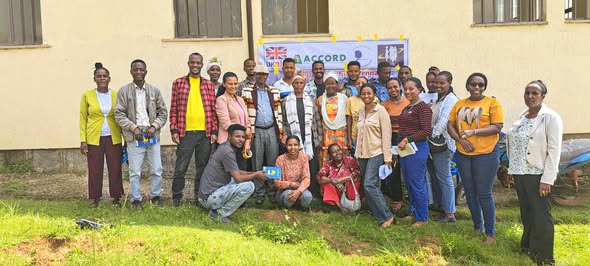
የኢትዮጵያ ሴቶች ለሰላም ግንባታ ከኢ.ሴ.ማ.ቅ ጋር በመተባበር በአማራ ክልል የማህበረሰብ ተኮር ተቋማት መሪዎችና የመንግስት አካላት ስልጠና ሰጠ ጥቅምት 22- 23/2018 ዓ.ም የኢትዮጵያ ሴቶች ለሰላም ግንባታ ከACCORD፣ ከUKFCDO እና ከኢትዮጵያ ሴቶች ማህበራት ቅንጅት(ኢ.ሴ.ማ.ቅ) ጋር በመተባበር በአማራ ክልል በማእከላዊ ጎንደር ዞን ሶስት ወረዳወች እንዲሁም ጎንደር ከተማ የማህበረሰብ ተኮር ተቋማት መሪዎችና የመንግስት አካላት ስልጠና ሰጠ። ስልጠናው የግጭት አስተዳደርና ሰላም ግንባታ እና ሴቶች በሰላም ግንባታ ያላቸው ሚና በሚሉ አርእስቶች የተሰጠ ሲሆን የሴቶች የሰላም ግንባታ አለም አቀፍ አገር አቀፍና በአካባቢያችን ያላቸውን ተሞክሮ የስልጠናው አካል ሆኖ ቀርቧል። ሰልጣኞች በተፈጠረላቸው ግንዛቤ ደስተኛ እንደሆኑና በሰላም ግንባታ ዙሪያ ባለቤት ሆነው መፈጸም እንዳለባቸው እንዲሁም በሰላም ግንባታ የሴቶችን ተሳትፎ ለማሳደግ እንደሚሰሩ ገልጸዋል። በመጨረሻም ስልጠናውን እንደአሰልጣኞች ስልጠና ቆጥረው በየአካባቢያቸው ስልጠናውን እንደሚያስቀጥሉት እና ሴቶች ባላቸው አደረጃጀት ተጠቅመው ቡና ለሰላምን ተግባራዊ ማድረግ እንዳለባቸው ተግባብተናል።

የኢትዮጵያ ሴቶች ለሰላም ግንባታ ከኢ.ሴ.ማ.ቅ ጋር በመተባበር በአማራ ክልል የማህበረሰብ ተኮር ተቋማት መሪዎችና የመንግስት አካላት ስልጠና ሰጠ Read More »

Peacebuilding Culture & Gender Roles Training in Bilate Zuria, Sidama Region

Peacebuilding Culture & Gender Roles Training in Bilate Zuria, Sidama Region On October 31- November 1, a four-day training, discussion, and experience-sharing session was held in Balela, Bilate Zuria Woreda of the Sidama Region, organized by Ethiopian Women Peacebuilders (EWPBs) representatives Dr. Berhan and Wudnesh. Supported by UKFCDO, ACCORD, and NEWA, the initiative aimed to strengthen collaboration between community elders and youth for sustainable peacebuilding and conflict resolution. The session was officially opened by Ms. Yididya Abebe, Program Coordinator at NEWA, who highlighted the importance of active and meaningful participation of women in peacebuilding.Four respected community elders, three women and one man, were selected for their extensive peacebuilding experience and community acceptance to share knowledge with 20 youth representatives (10 young women and 10 young men) from 20 kebeles of Bilate Zuria.Before the experience-sharing began, the EWPBs facilitators introduced core principles of peacebuilding and conflict resolution. Elders then shared insights into Sidama’s traditional peacebuilding systems, including the Sera System, Afini Reconciliation System, Gudumaalee Council, and Arara Reconciliation System, all of which have historically supported conflict resolution in the community.They also emphasized the Sidama principle of “Halaale” — a cultural value rooted in truth and peace. Elders reflected on how, over the past 10 years, these indigenous mechanisms, alongside religious councils and legal structures, have been used to address various conflicts both within and outside the woreda. They noted that no single mechanism alone could fully resolve conflicts, highlighting the importance of combining approaches.The Youth were reminded of the Sidama culture of calm dialogue, consultation with elders, and thoughtful decision-making as key to maintaining peace. The session reinforced the significance of preserving traditional knowledge and cultural customs in promoting sustainable peace and reconciliation.To conclude, participants took part in a training on gender roles and communication skills, aimed at enhancing their capacity in peacebuilding, conflict resolution, and leading community dialogues.

Peacebuilding Culture & Gender Roles Training in Bilate Zuria, Sidama Region Read More »